







Recent Public Posts - [guest]
| Re: Oxford station - facilities, improvements, parking, incidents and events - merged posts In "London to Didcot, Oxford and Banbury" [379865/593/9] Posted by ray951 at 13:57, 22nd September 2026 |      |
I walked through the Botley Road bridge today and conditions for both pedestrians and cyclists have improved significantly over the old bridge. As a cyclist, however, I'm not sure whether I would remain on the road or use the cycle paths on either side. My choice would likely depend on how easy it is to rejoin into traffic during busy periods.
Traffic passing through the bridge during both the morning peak and around lunchtime today did not appear particularly heavy, although I can't comment on whether there were queues further up Botley Road. I suspect that the fact that there are congestion charge points on the two main routes from the bridge into the city may be impacting traffic levels.
I've included a few photos of the Platform 6 bridge, which is currently a pedestrian footbridge. While there has been discussion about further development, it's difficult to see this happening any time soon, if at all, given the considerable cost and disruption that would be involved in demolishing the existing station entrance.

And I assume this is where the footbridge would go if the above bridge was ever used for a platform 6.

And here is a view of the tracks across the bridge with the proposed platform 5 bridge in the background

| Re: Oxford station - facilities, improvements, parking, incidents and events - merged posts In "London to Didcot, Oxford and Banbury" [379864/593/9] Posted by eightonedee at 13:02, 22nd September 2026 | |
Thanks II.
It's not just Network Rail who have problems getting everything right! I read this in that article with wry amusement-
Politicians including Oxford West and Abingdon MP Layla MP described the handling of the project as "a disaster".
| Re: Bristol Temple Meads - station, facilities, incidents and events (merged posts) In "Bristol and Bath (WECA, now WEMCA)" [379863/10737/21] Posted by Phantom at 12:53, 22nd September 2026 | |
There *was* a steam engine coming though. I hadn't known about that ahead of time, but got a clue from platform ends decorated with enthusiasts as we arrived. Apparently quite a famous loco, but I didn't stop around to see.
The Flying Scotsman
I have just realised, that I have had what I know as a "whoosh" moment


| Re: Bristol Temple Meads - station, facilities, incidents and events (merged posts) In "Bristol and Bath (WECA, now WEMCA)" [379862/10737/21] Posted by chuffed at 12:36, 22nd September 2026 | |
Walked along the floating walkway at midday yesterday and went into the University building. I did a vox pop survey and counted 2 white faces and 44 Asiastic faces...mostly Korean students who all seemed to understand written and spoken English..perhaps a condition of being accepted for a place ?The upper floor cafe only had 8 Korean type bowl dishes on the menu, which seemed to indicate who they are literally, catering.... for.
The walkway was being very well used by again Korean students, from the 8 bus stop to the ferry stop, just before the cheesegrater bridge.
| Re: Oxford station - facilities, improvements, parking, incidents and events - merged posts In "London to Didcot, Oxford and Banbury" [379861/593/9] Posted by IndustryInsider at 12:04, 22nd September 2026 Already liked by Mark A | |
At last the good folk of Oxford can get back to moaning about gridlock on the Botley Road!
As predicted: https://www.oxfordmail.co.uk/news/26569009.botley-road-drivers-face-queues-day-reopening/
| Re: North Cotswold line delays and cancellations - 2026 In "London to the Cotswolds" [379858/31371/14] Posted by charles_uk at 09:43, 22nd September 2026 | |
I don't always comment on short-forms as the thread would become quite bloated but again today several busy services are short-formed. They're not mentioned on JourneyCheck but Realtime Trains are showing these services as affected:
1P16 0818 Worcester Shrub Hill to London Paddington
1W01 0952 London Paddington to Hereford
1P28 1318 Hereford to London Paddington
1W03 1734 London Paddington to Hereford
1W01 0952 London Paddington to Hereford
1P28 1318 Hereford to London Paddington
1W03 1734 London Paddington to Hereford
| Re: Bristol - from around the city, September 2026 In "The West - but NOT trains in the West" [379856/32526/31] Posted by grahame at 09:31, 22nd September 2026 | |
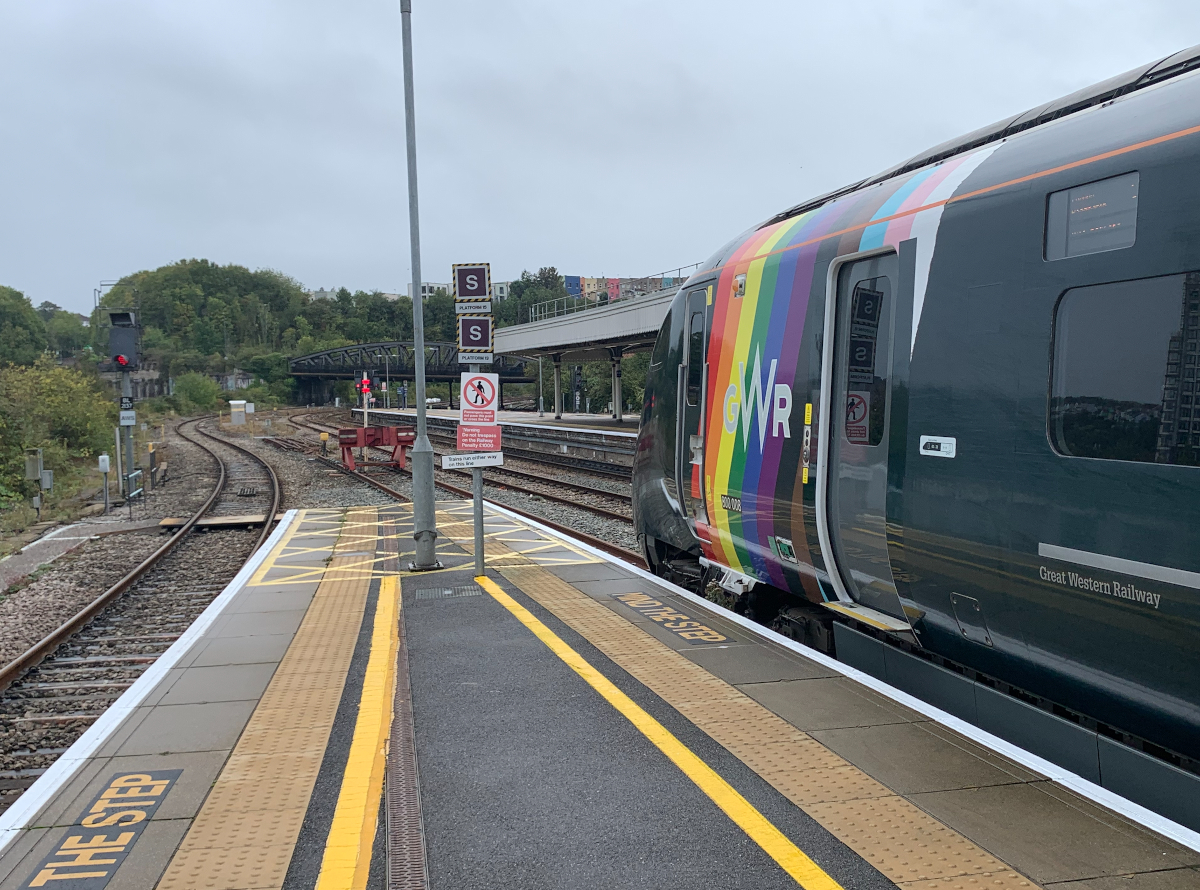
Final part - 4 of 4
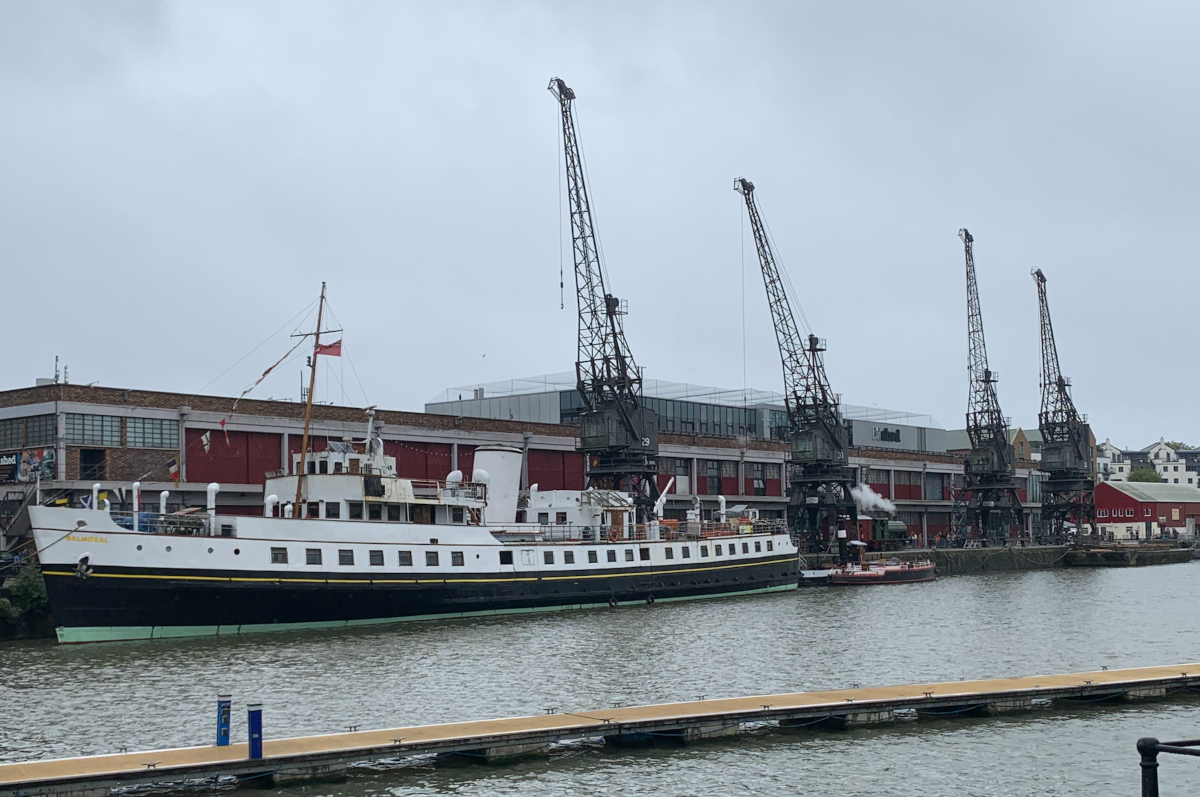
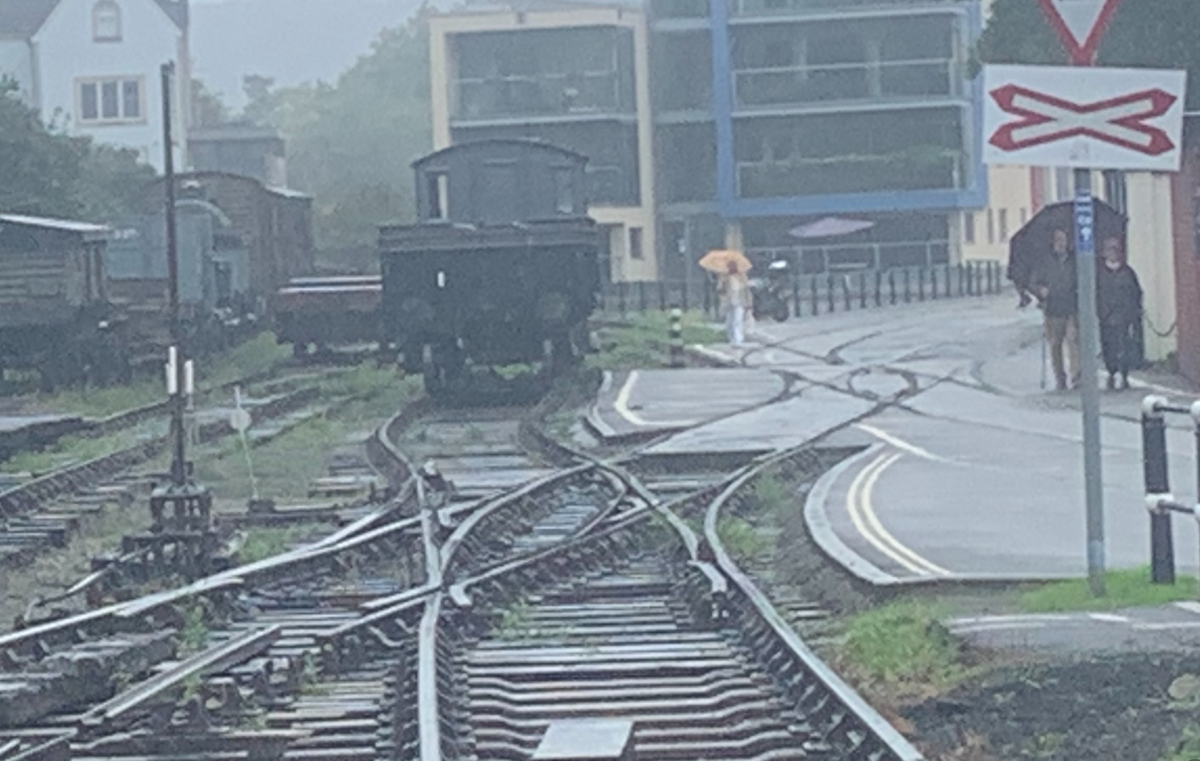
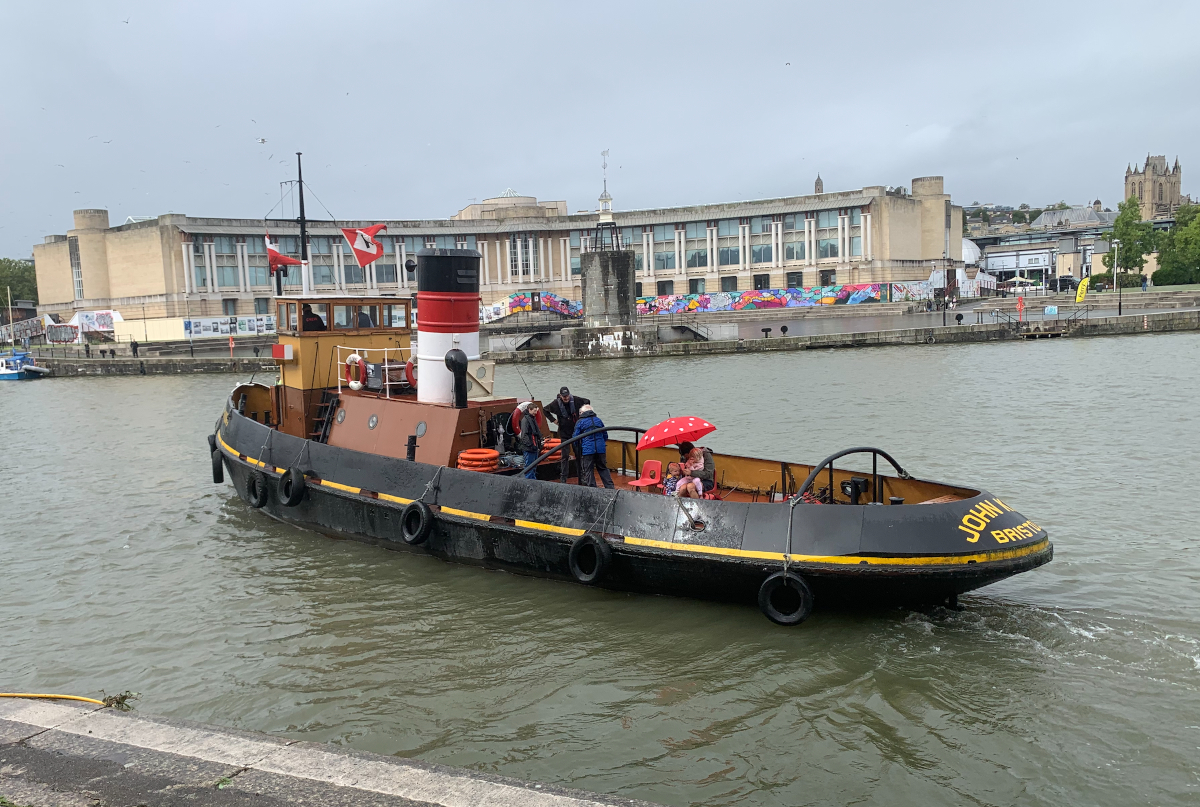
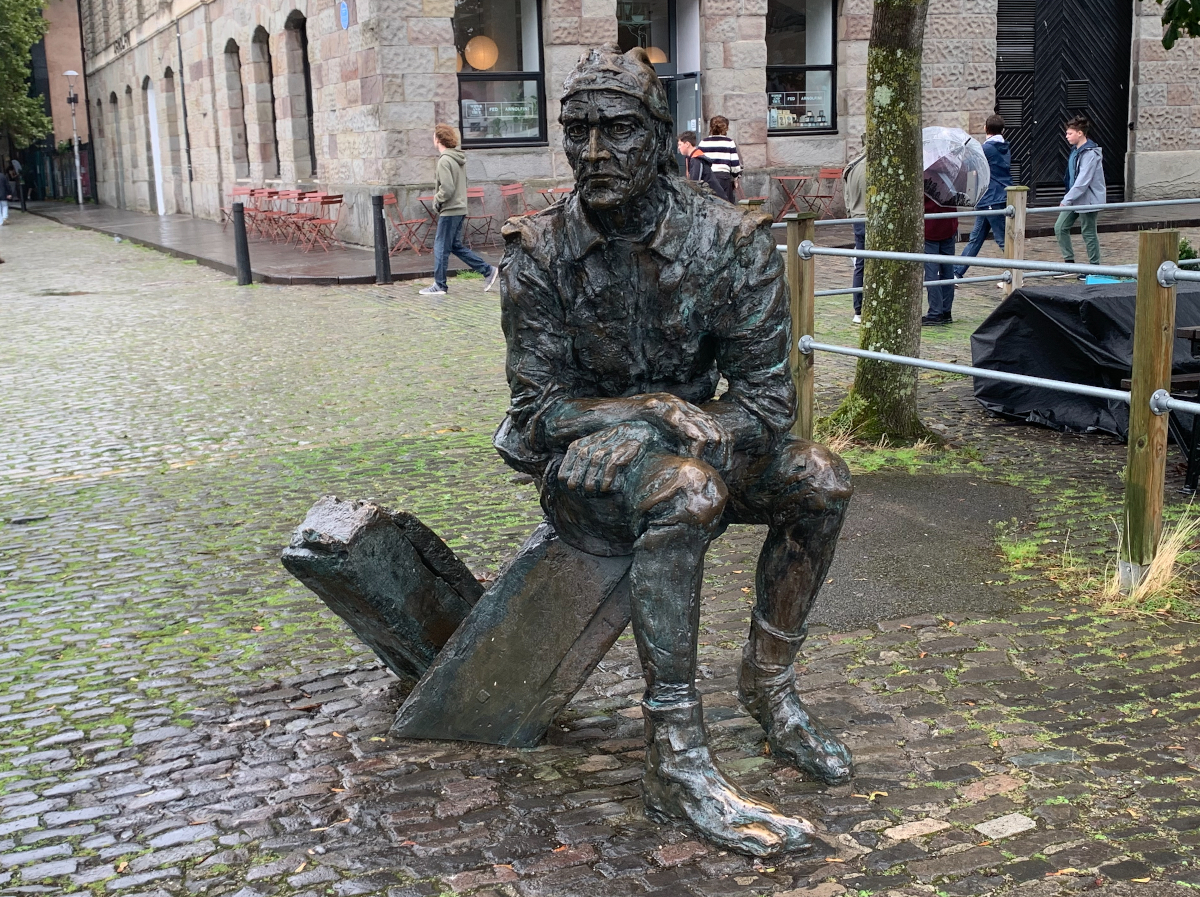
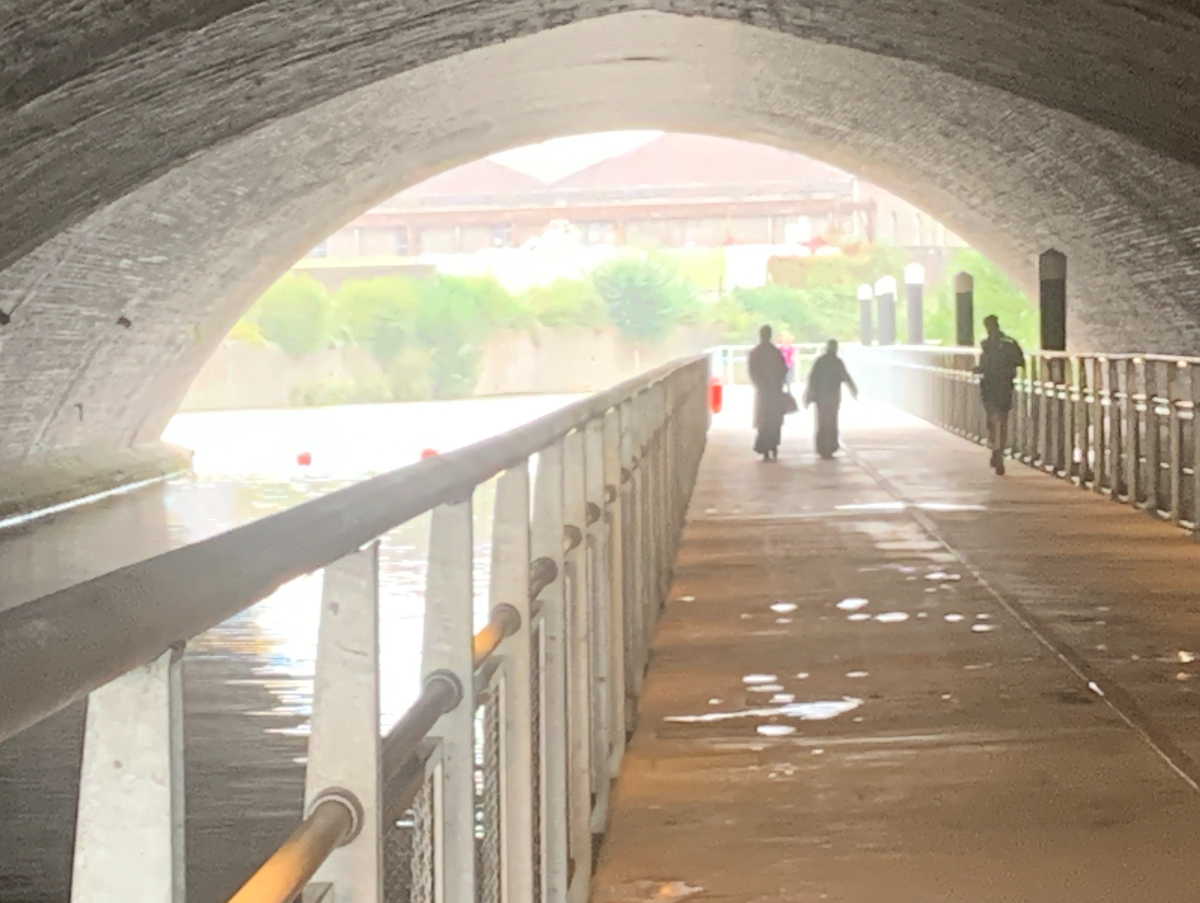
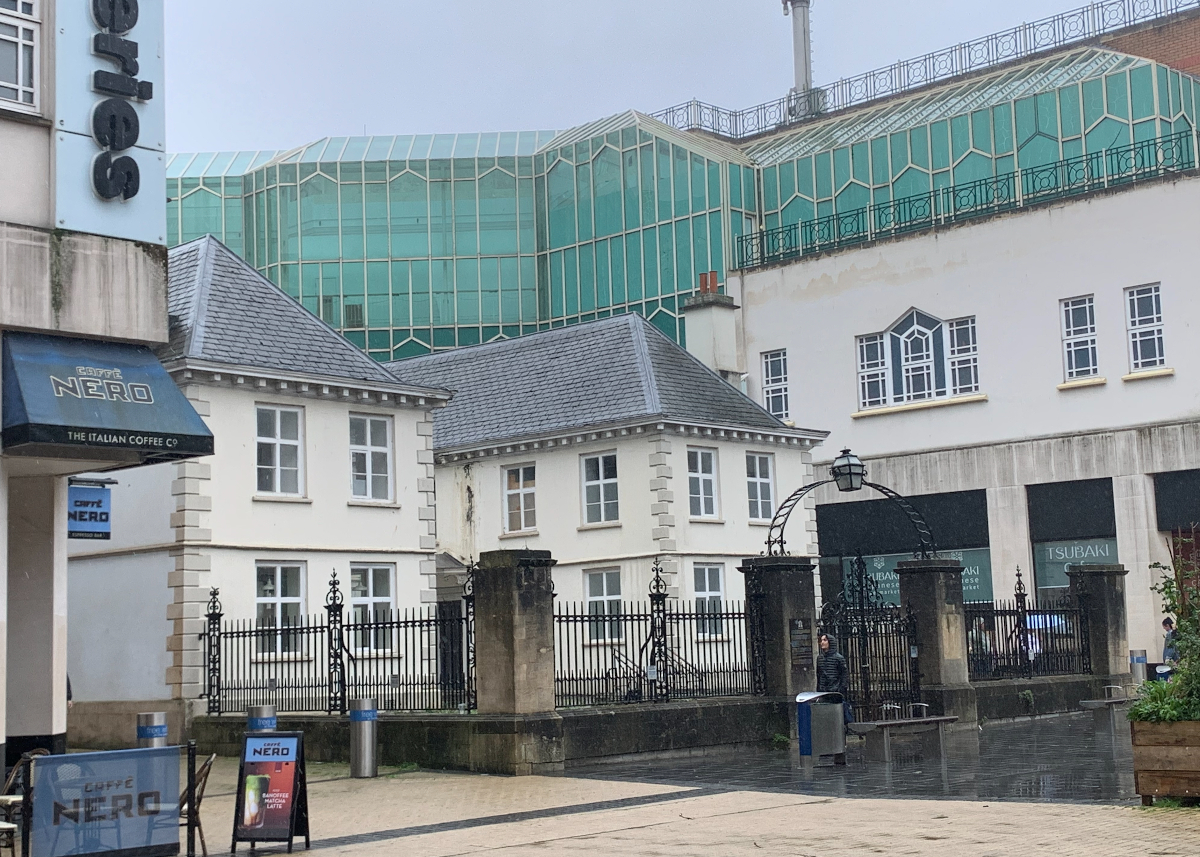
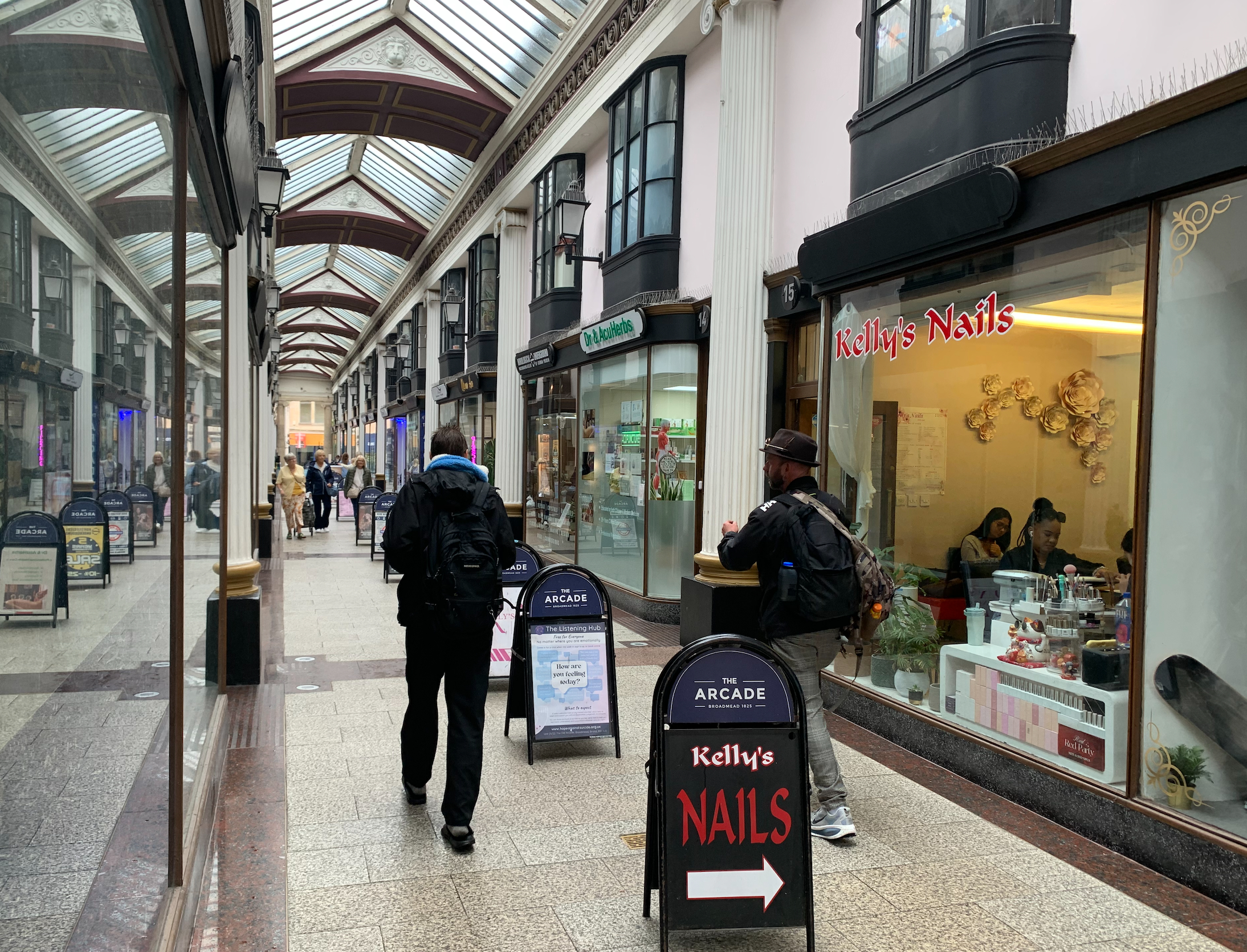
And headed home
| Re: Bristol - from around the city, September 2026 In "The West - but NOT trains in the West" [379855/32526/31] Posted by grahame at 09:29, 22nd September 2026 | |
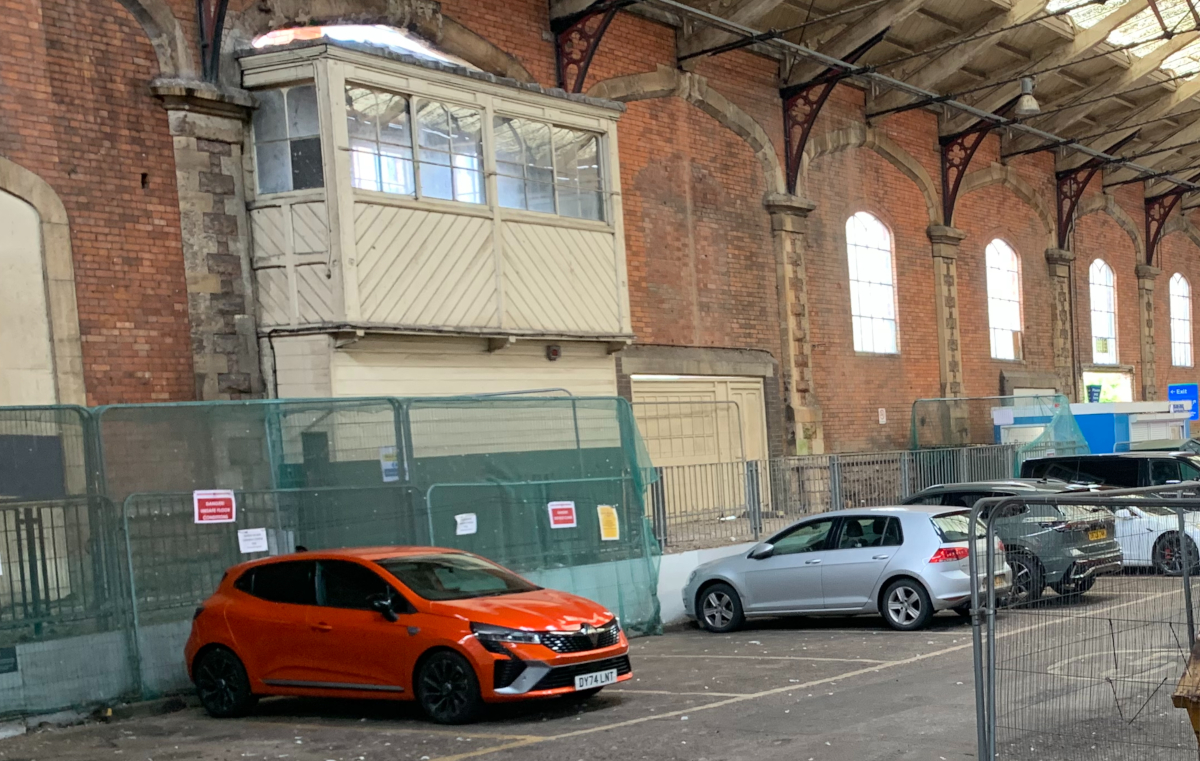
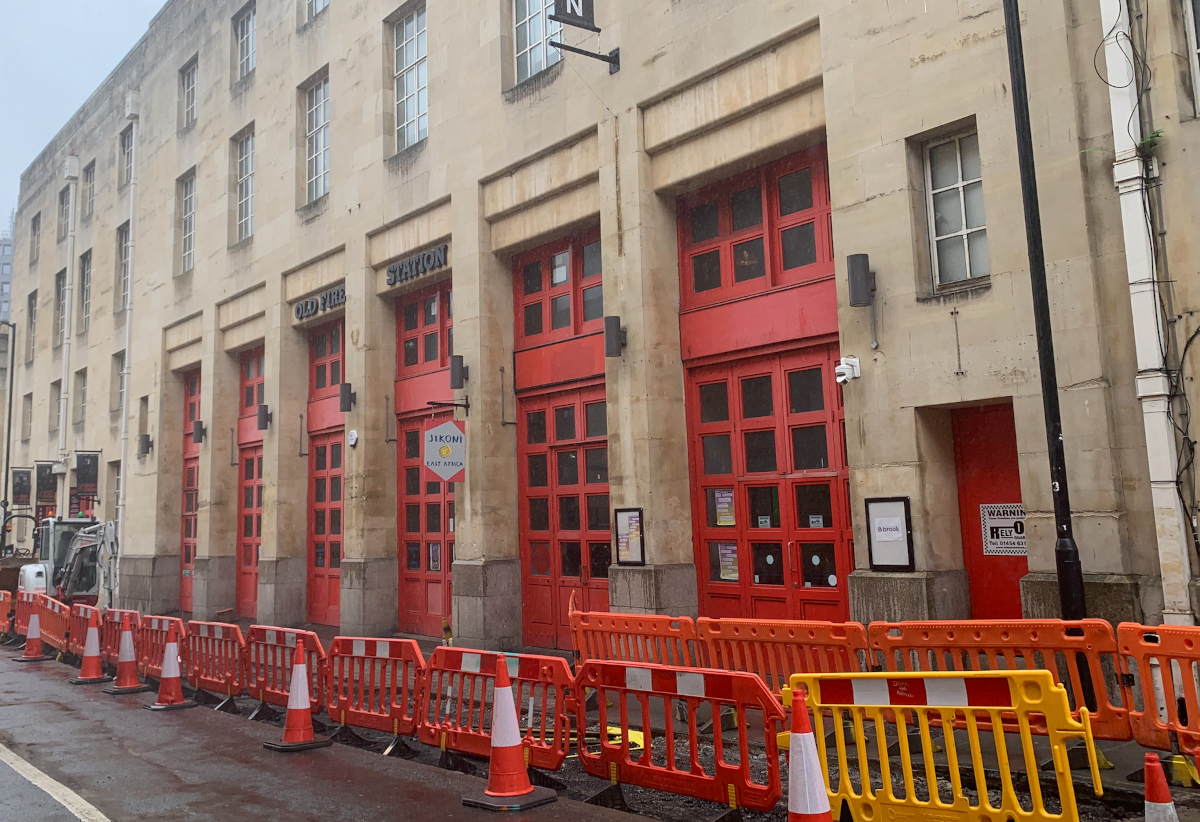
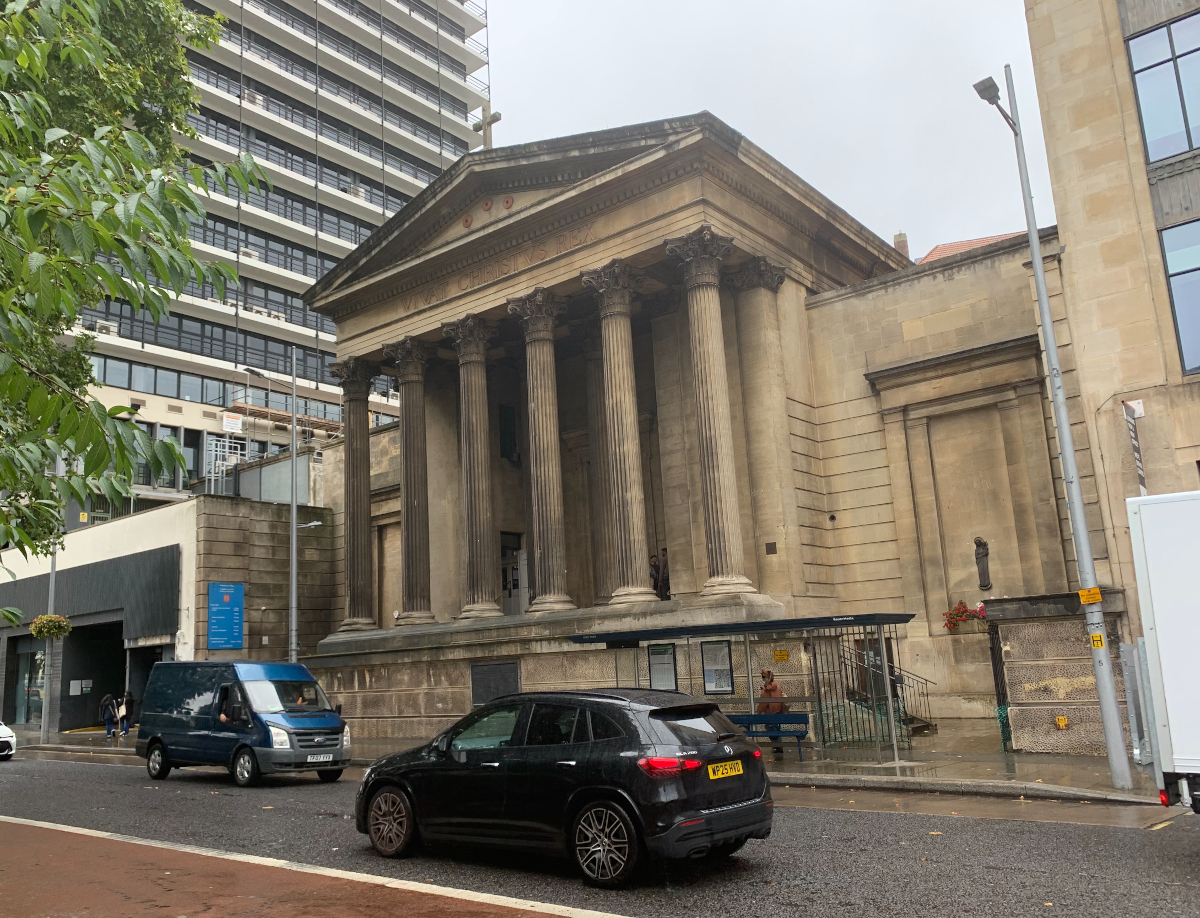
Part 3 of 4
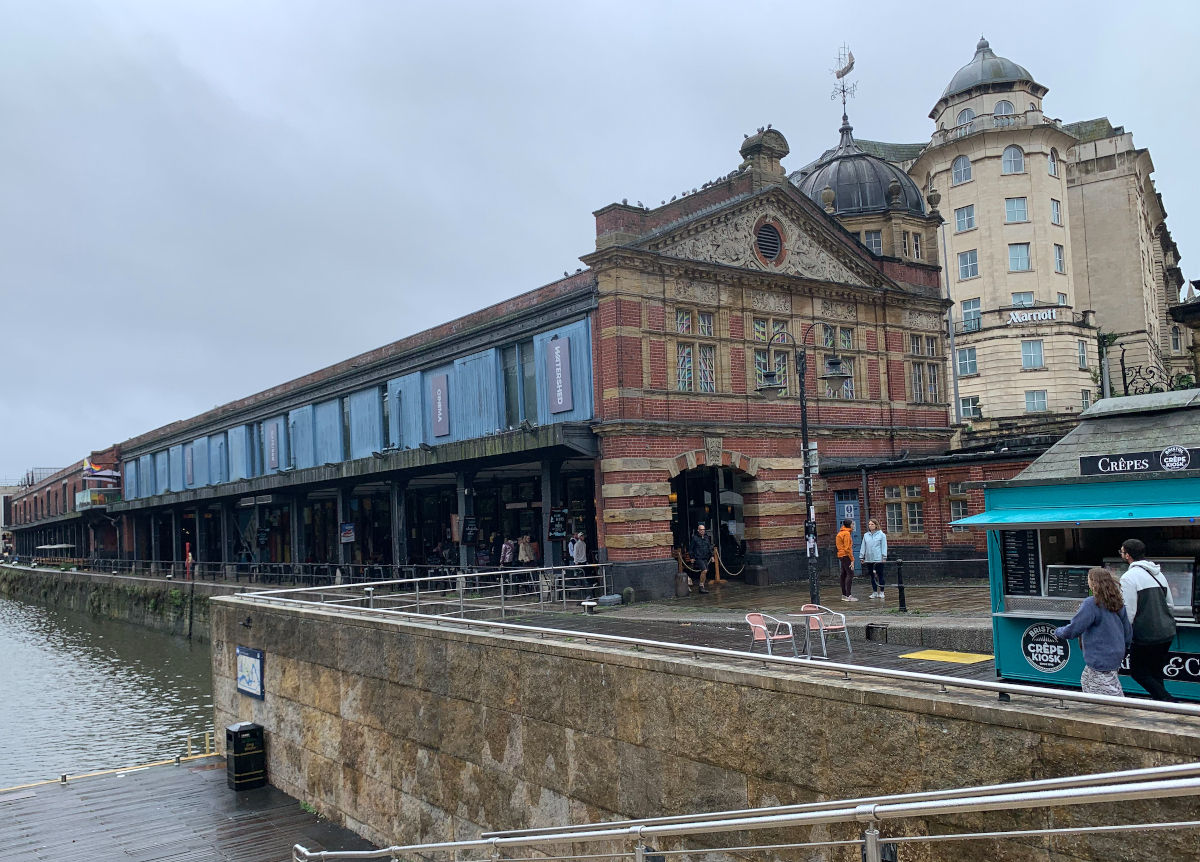
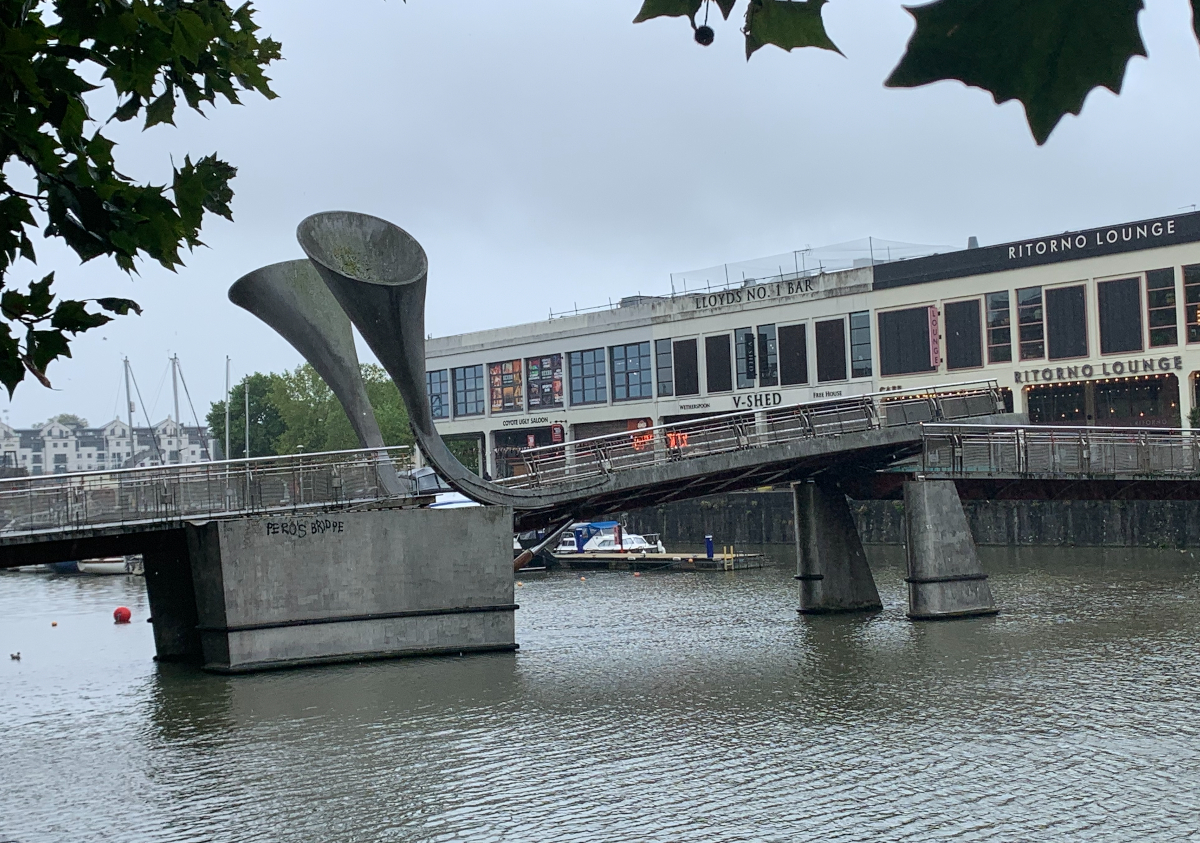
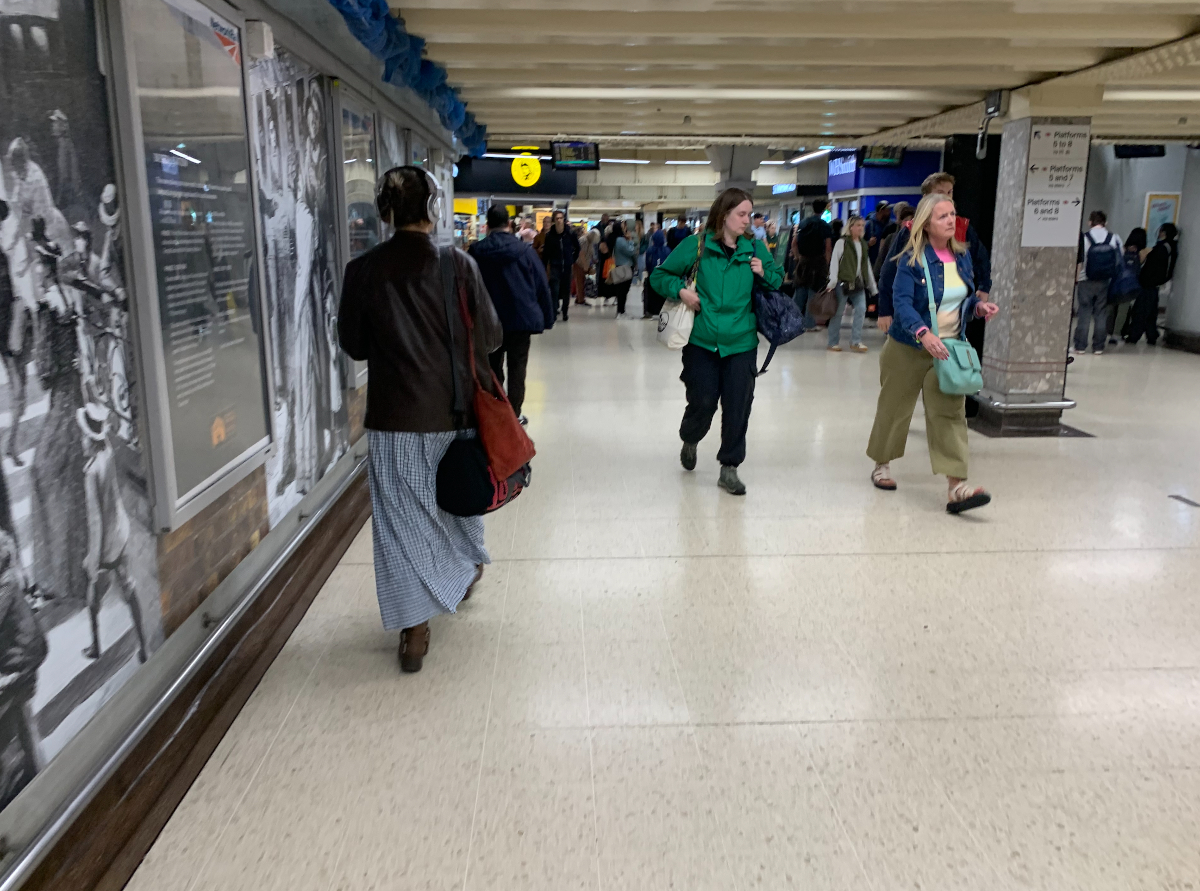
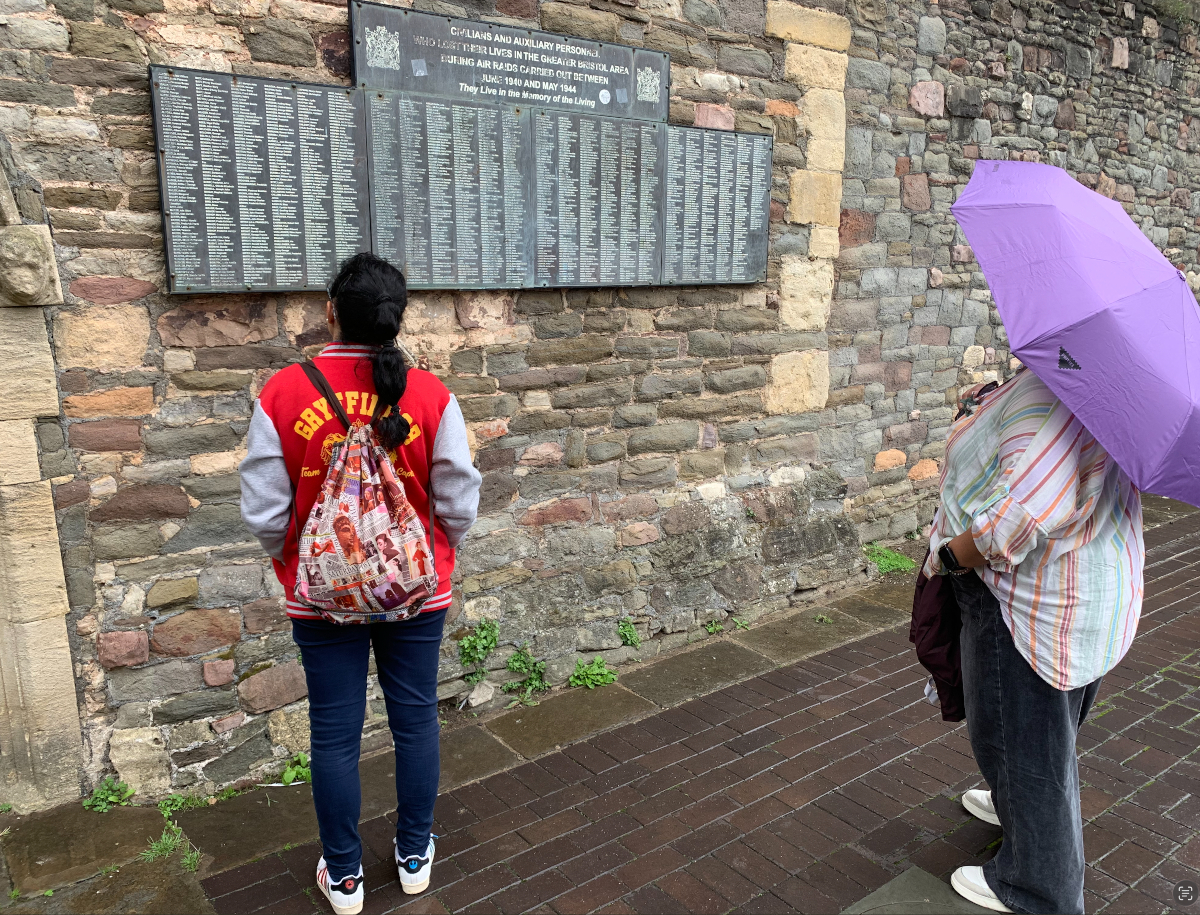
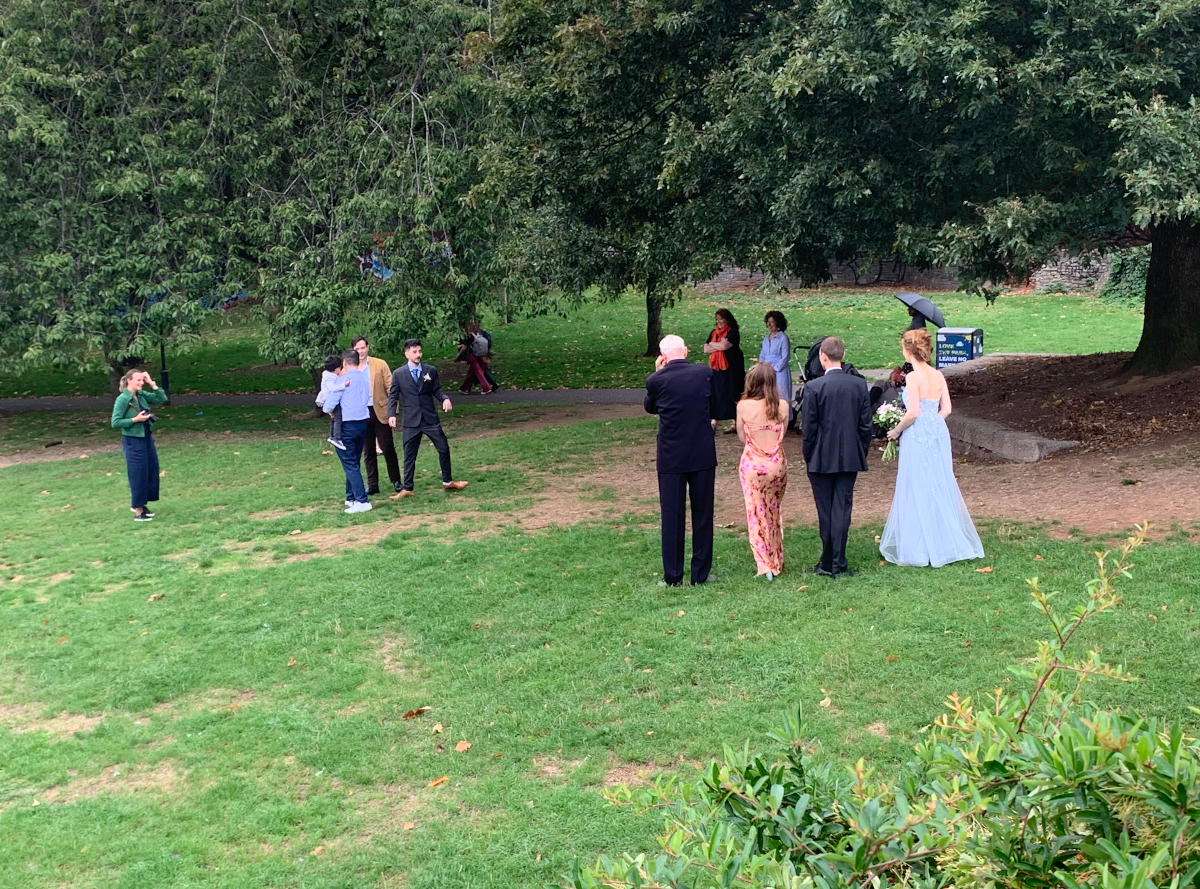
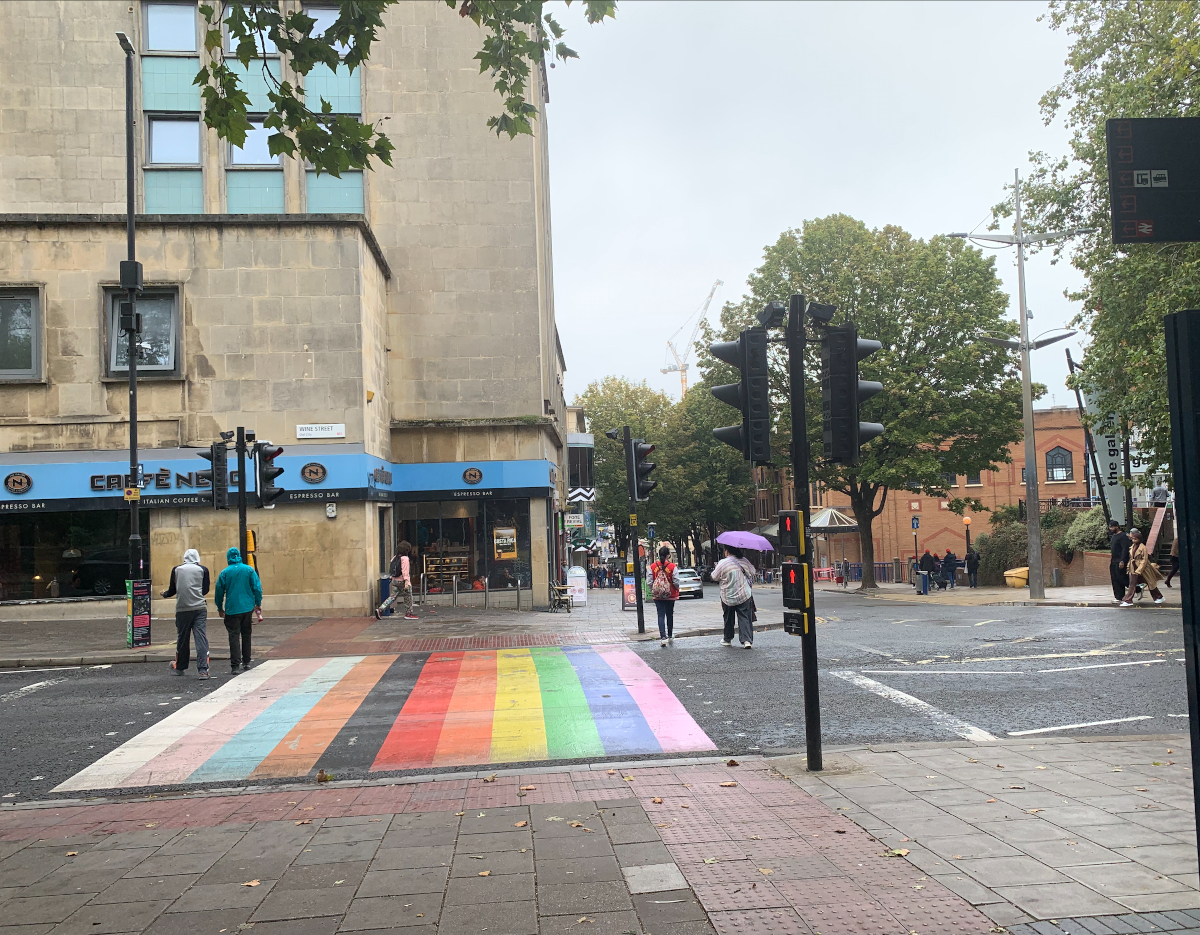
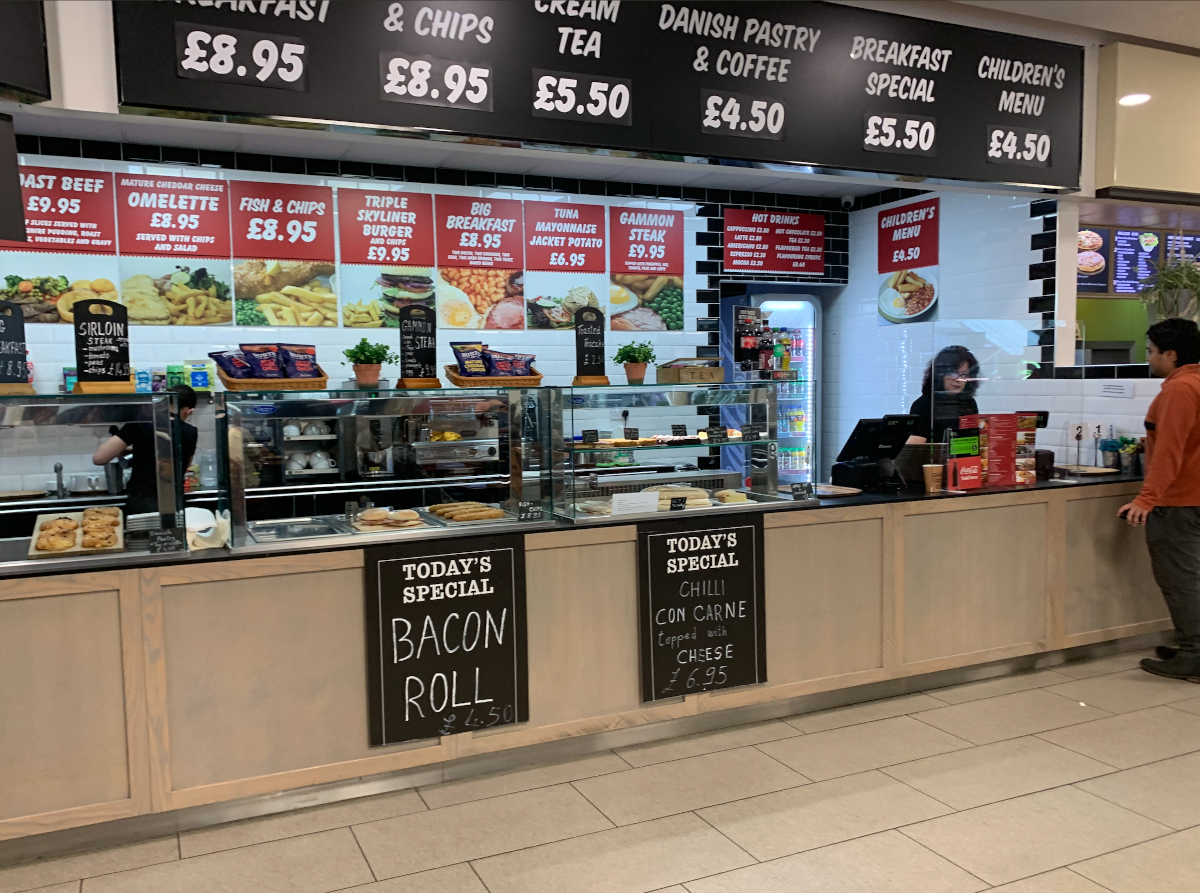
| Re: Bristol - from around the city, September 2026 In "The West - but NOT trains in the West" [379854/32526/31] Posted by grahame at 09:28, 22nd September 2026 | |
Part 2 of 4
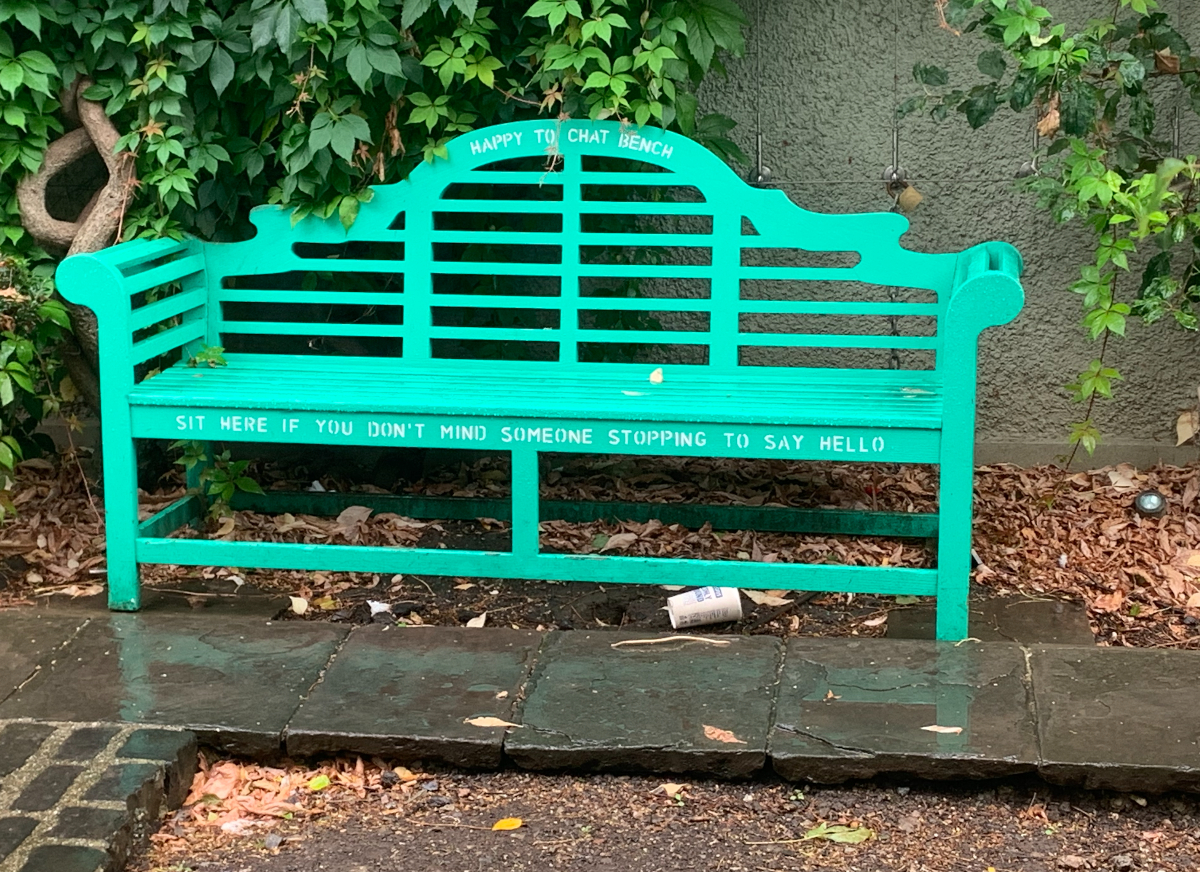
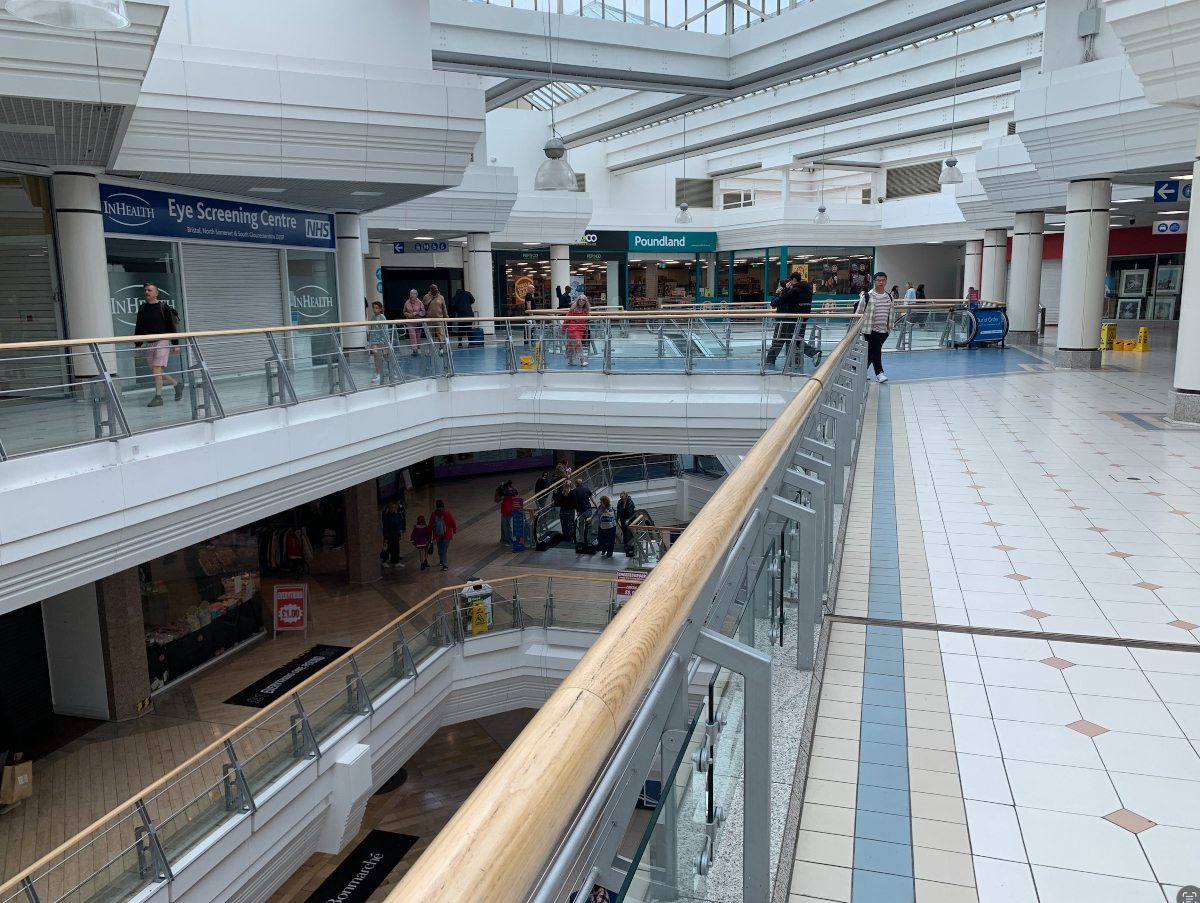
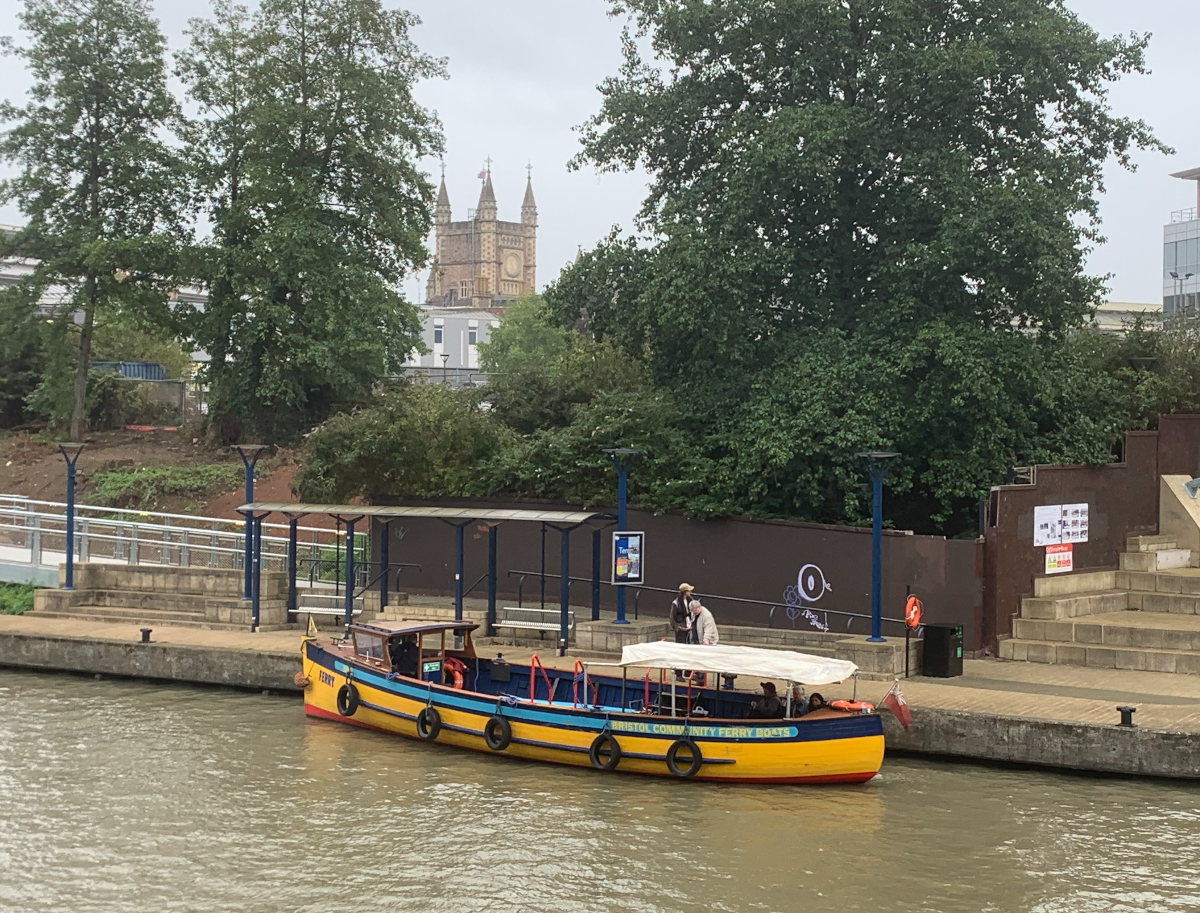
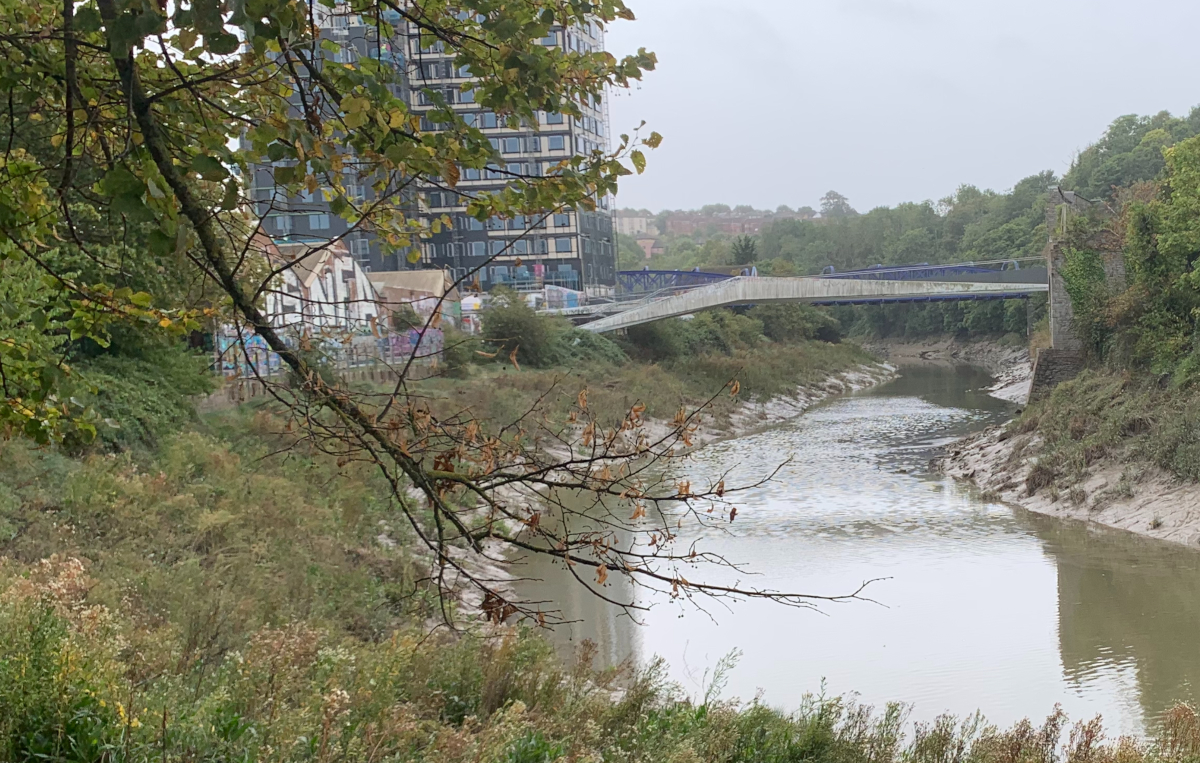
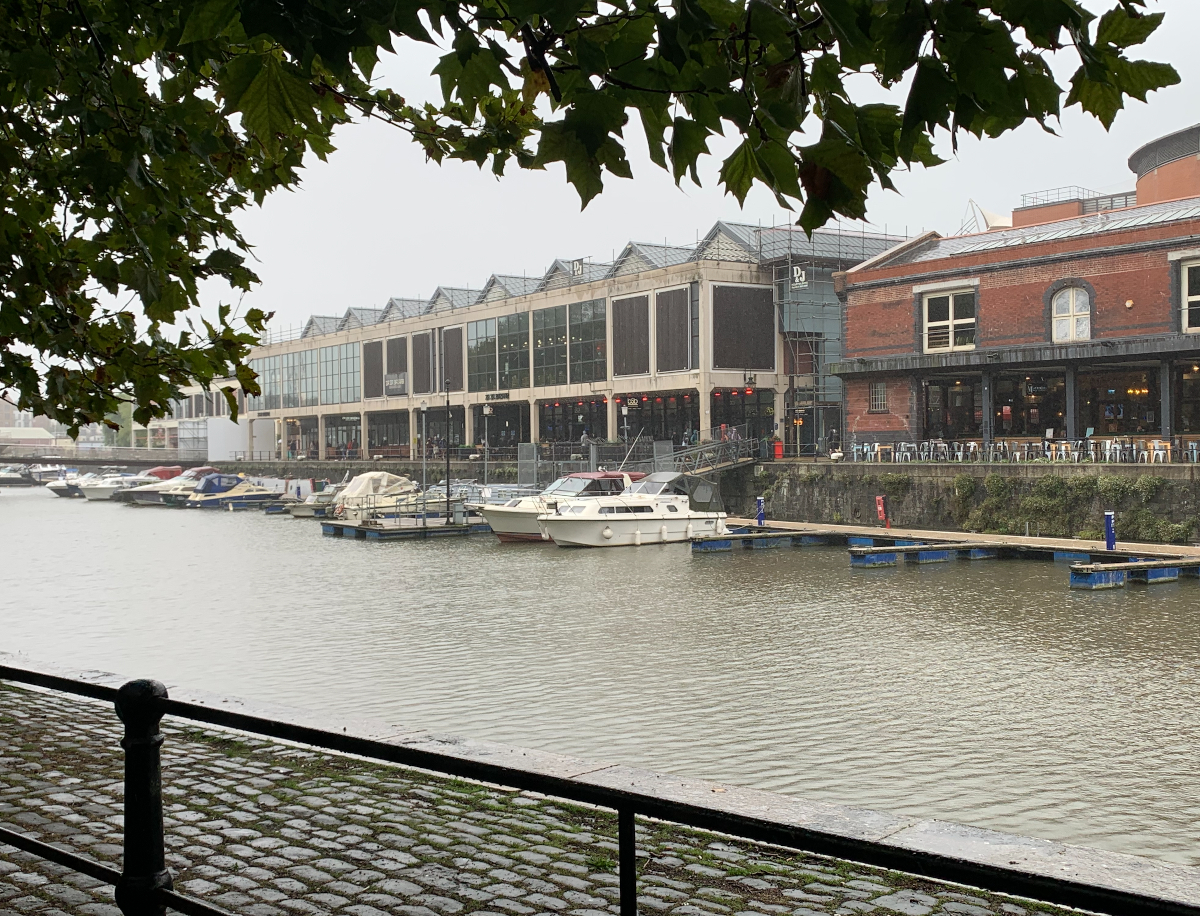
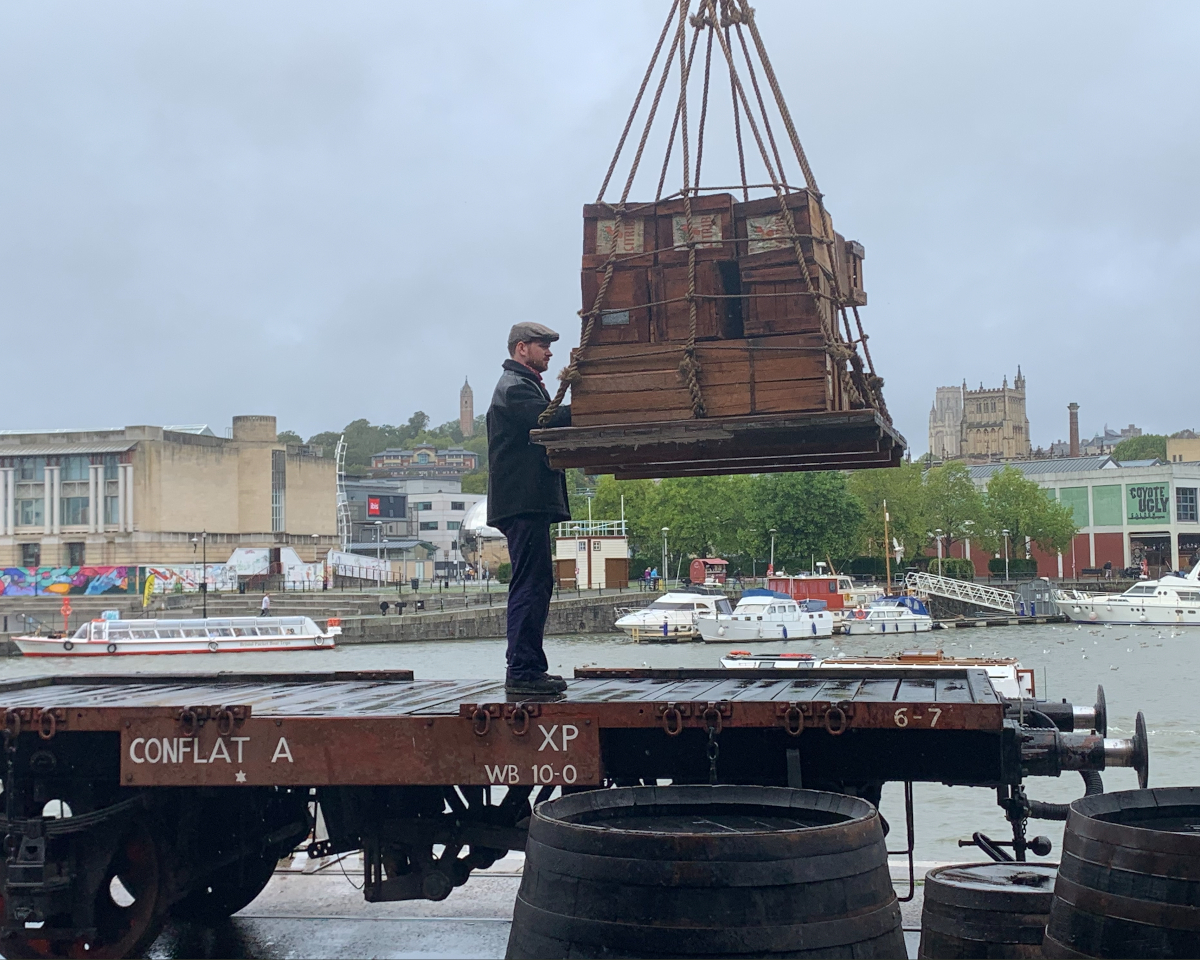
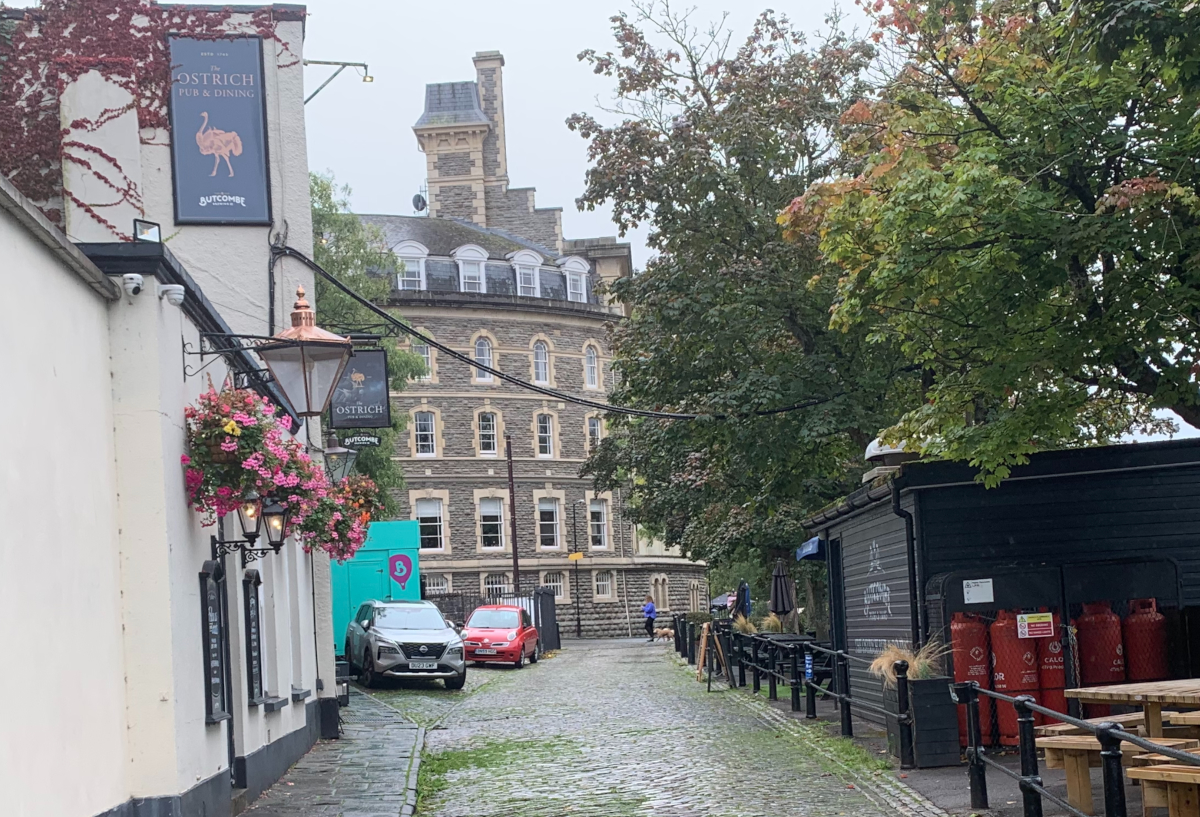
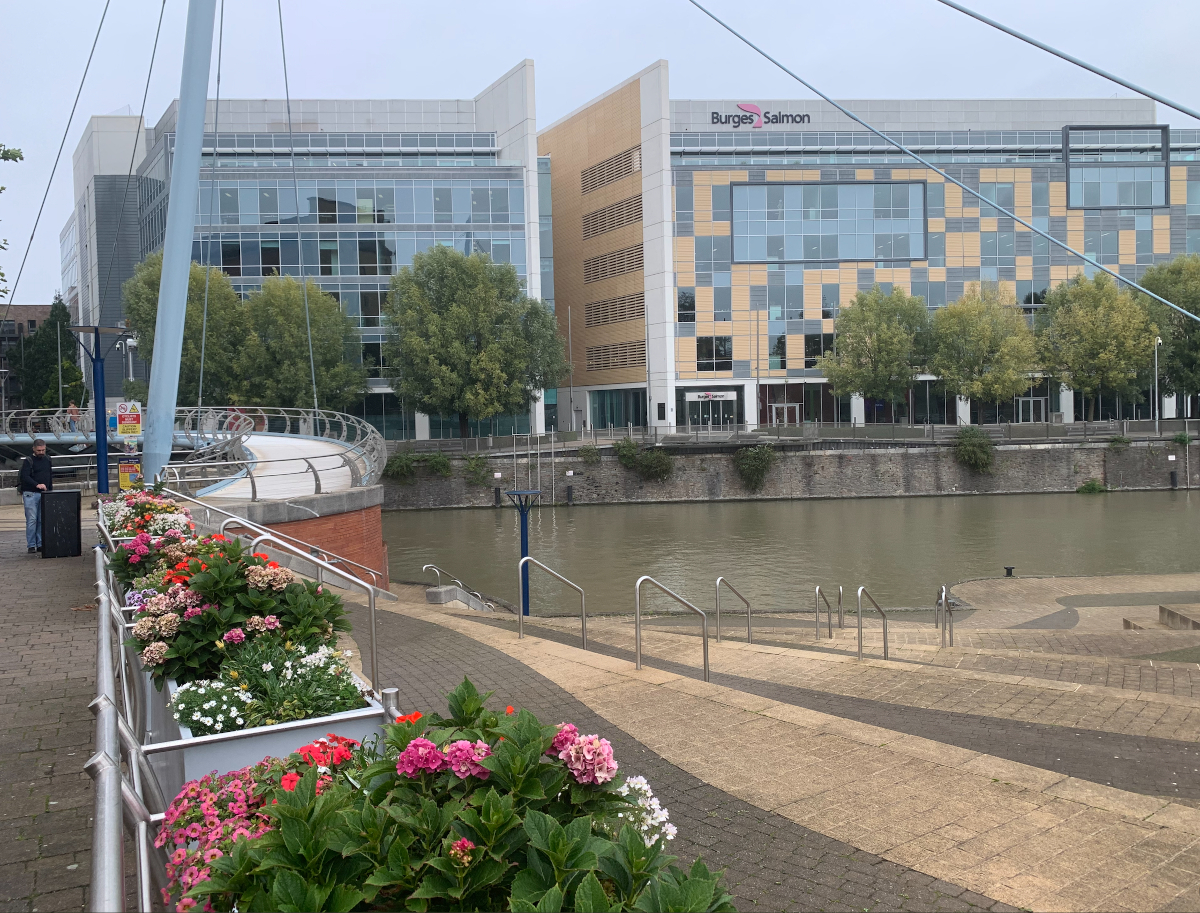
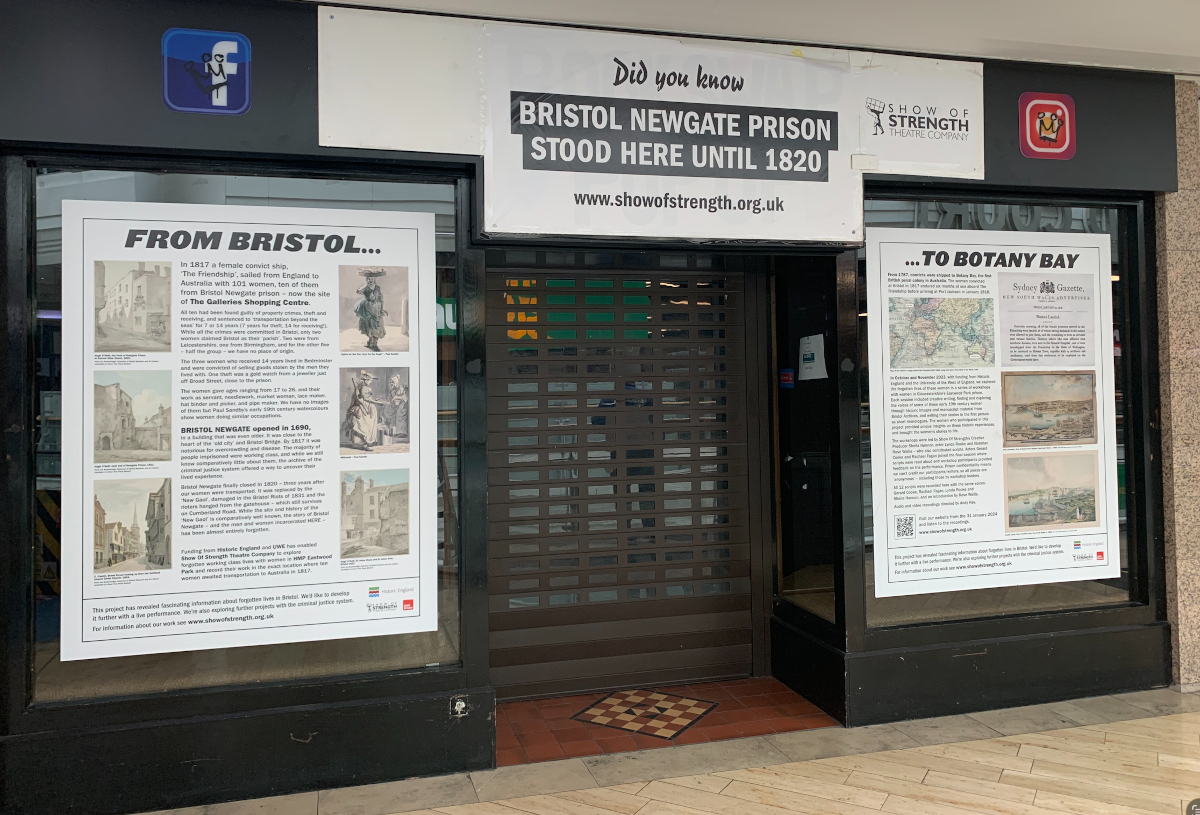
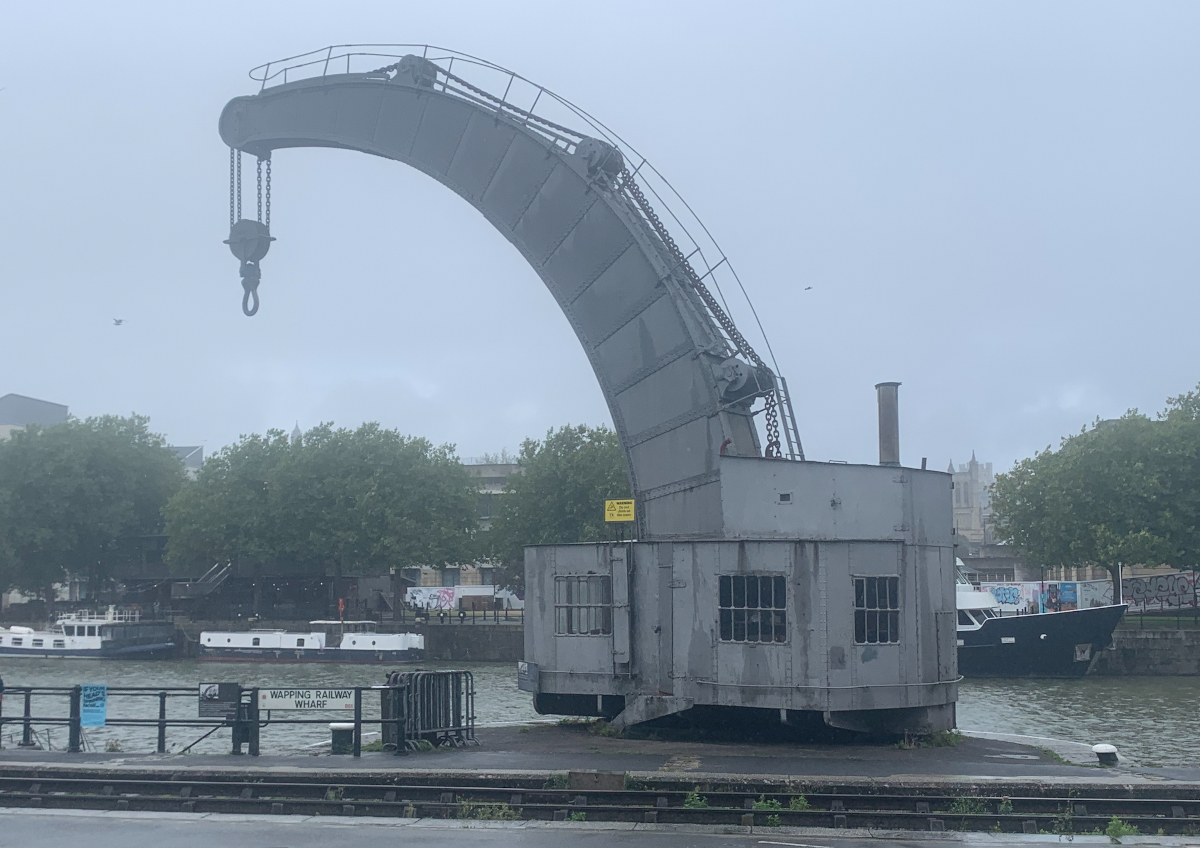
| Bristol - from around the city, September 2026 In "The West - but NOT trains in the West" [379853/32526/31] Posted by grahame at 09:27, 22nd September 2026 Already liked by PrestburyRoad | |
I was thinking of writing up my travels and experiences of - well - all sorts of things. Then on Saturday I was in The Galleries in Bristol browsing in a secondhand bookshop and musing over shelves of travel books (you know - those things made of sheets of paper before we had the Internet) and I found myself really wondering if I want to add to that river of writing that has become a flood with different media experiences these days.
How often we overlook the places near us. Last Saturday's plans to go a bit further - to London - have transformed into making London the last stop on our next Interrail trip; I am very familiar with much of it having been brought up there, but there is much of it that's still new as it's so vast, or so changed over 40 or more years. So on Saturday, I took the train from Melksham into BRISTOL - 44 minutes from our train pulling out of Melksham, to arriving into Bristol (Temple Meads). The story of how "Temple Meads" got than name is another article. The story of what's going on in Trowbridge where I changed in another. And the story or musings on the lady who took her enshoed feet off the seat so that I could side, and proceeded to brush her hair, using her phone as a mirror, put stuff on her nails, and put a really strong perfume that stank on her throat ... where was she going? Who did she want to impress? Why did she not get fully ready before she left home? Should such personal things be done on the train?
BRISTOL. An internet search tells me it's "a historic city in southwest England with roots dating back to the Stone Age, evolving into a major port, industrial hub, and cultural centre over centuries". This week, it's making the news as the most expensive place to rent a home in the UK, and sprawls out into North Somerset and South Gloucestershire. It's tended to be a place I've passed (and will pass through) many times; on Saturday my loose objective was to see the new, second, back station entrance (£23 million) that was opened a couple of weeks ago and to explore the walkway back from there along the Floating Harbour in-towards the heart of the city. Those are documented in other posts - at https://www.firstgreatwestern.info/coffeeshop/index.php?topic=10737.msg379744#msg379744 and https://www.firstgreatwestern.info/coffeeshop/index.php?topic=10737.msg379763#msg379763 - and are somewhat niche records for friends with similar transport interests, and also perhaps for the record in years to come.
And having made my way out of the new back entrance, past the university buildings in final fit out, past the wide new cycle lanes and bus stop available and working but awaiting the flood of passengers, I took a wider look around. The new is plonked onto the old. The old back river was a muddy ditch; it's tidal, and the River Avon has the second greatest tidal range in the world, so it would have looked far prettier a few hours later had I gone back this way, though in practise I did a looped walk in parts of the city and docks, and came back to the front entrance of the station a few hours later.
Pictures. Hundreds and hundreds of them. It was a grey day, and most of them are "record shots" rather than anything with any artistic merit. There is the occasional gem in the mud, and I'll try and pick out some of those gems to share on this post, and also to pick out some of the pictures that share the city and what was there to see. And there you have a conundrum - what audience am I writing for? Answers on a postcard please - or in modern terms, please follow up.
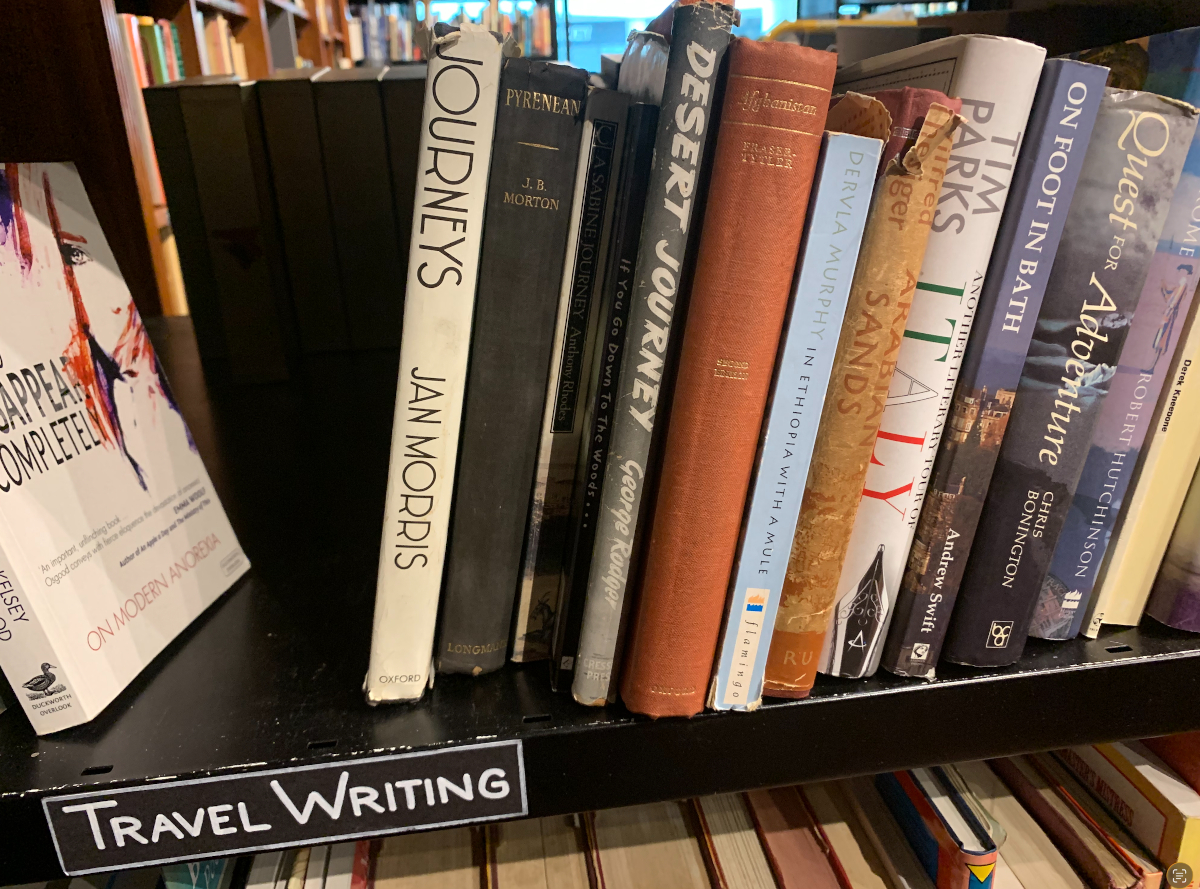
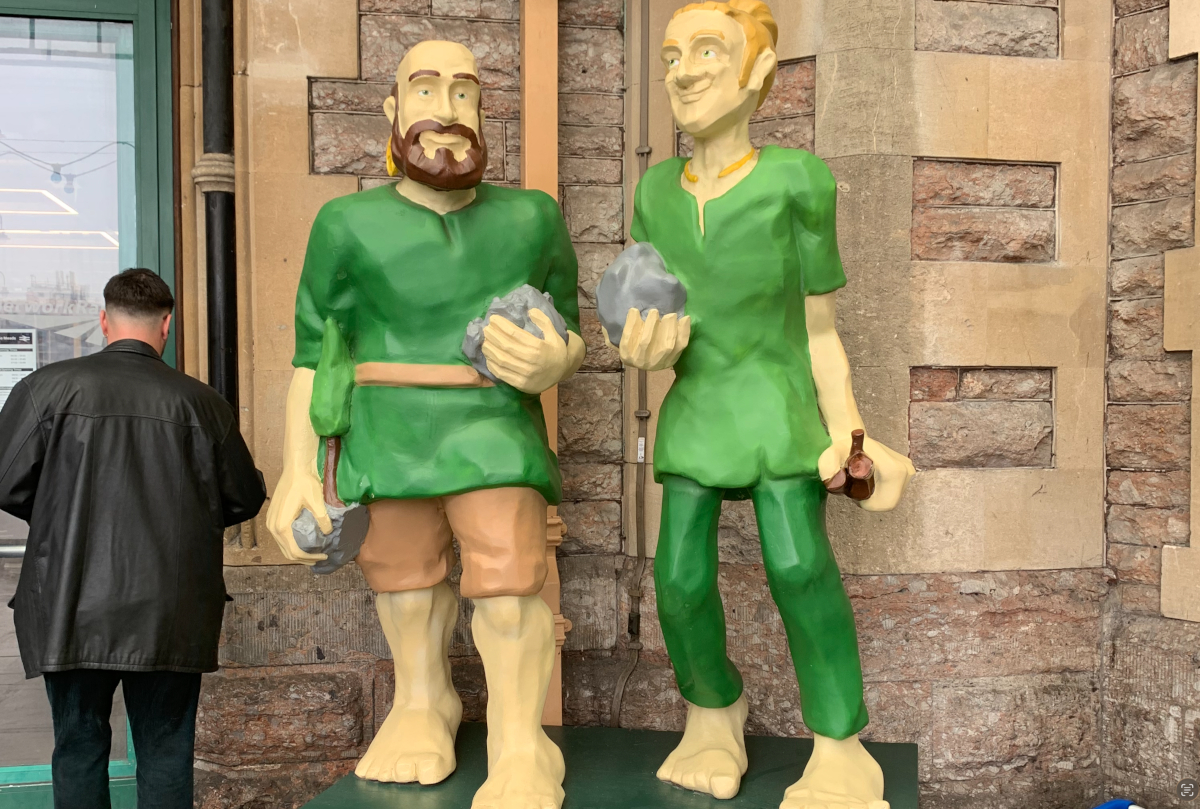
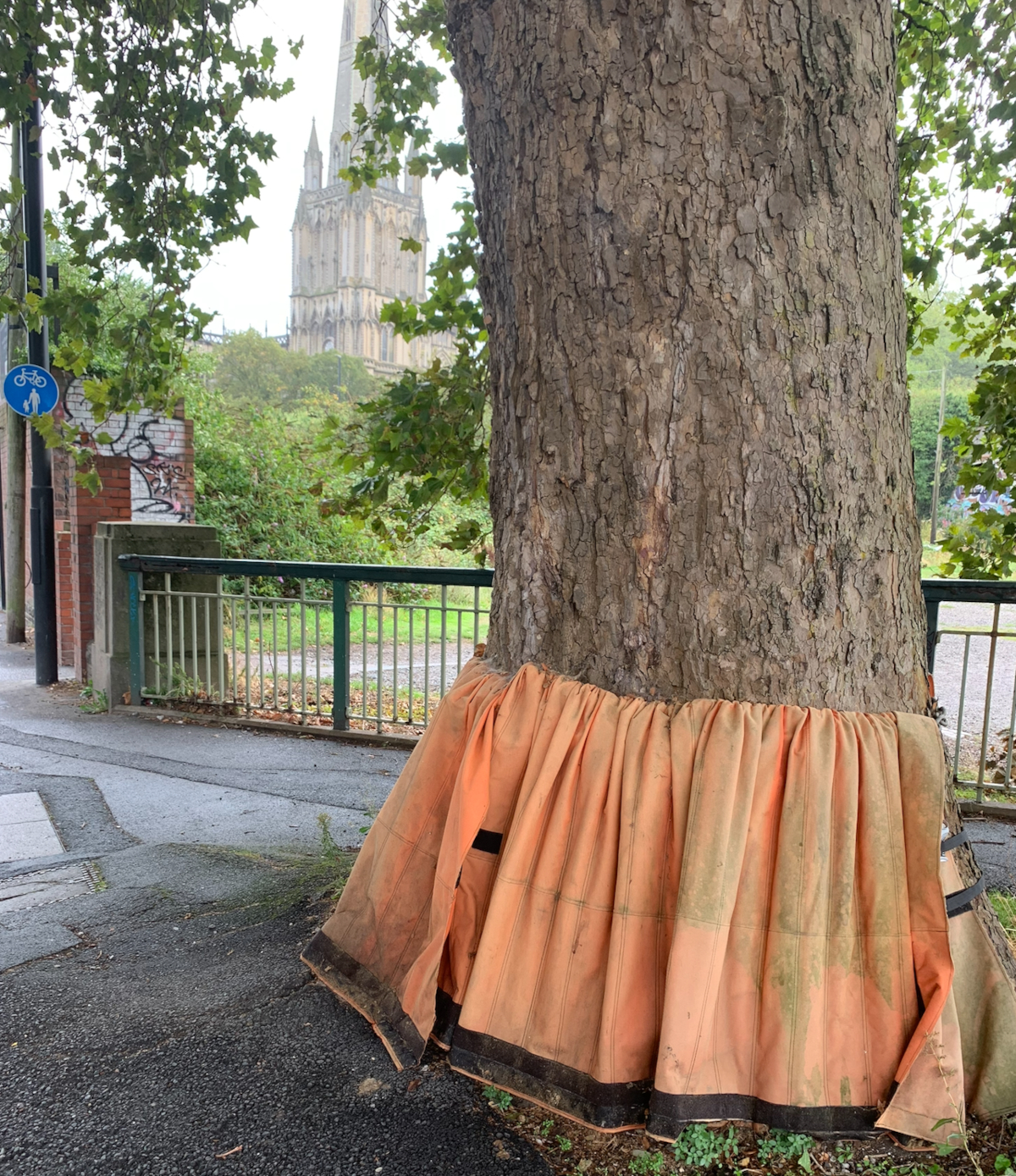
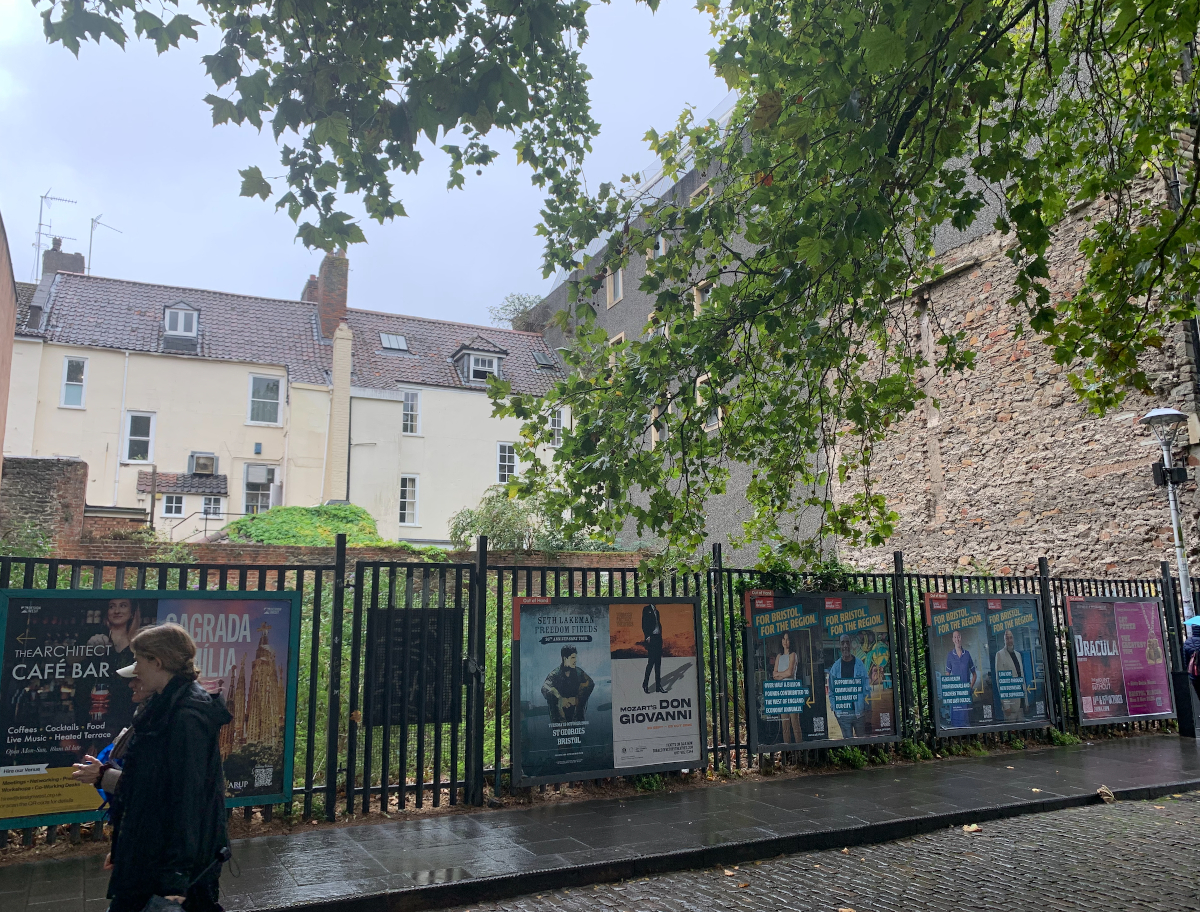
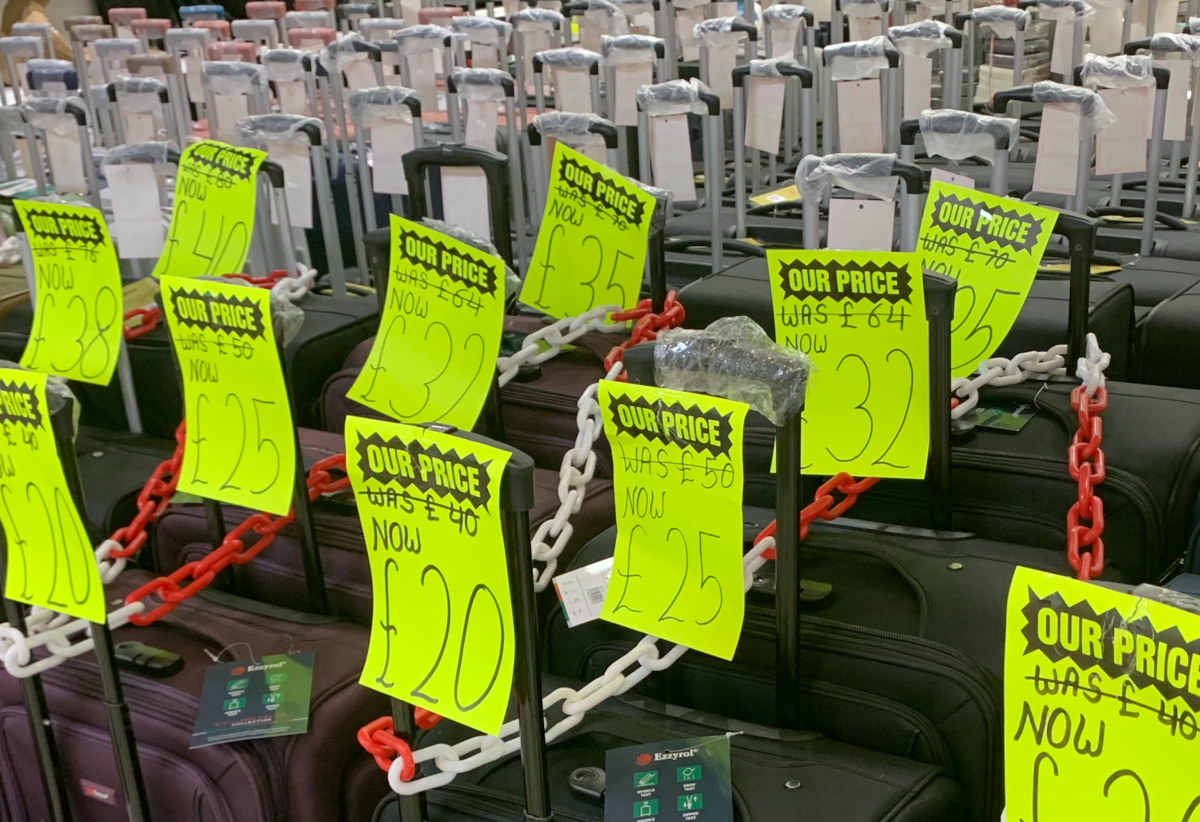
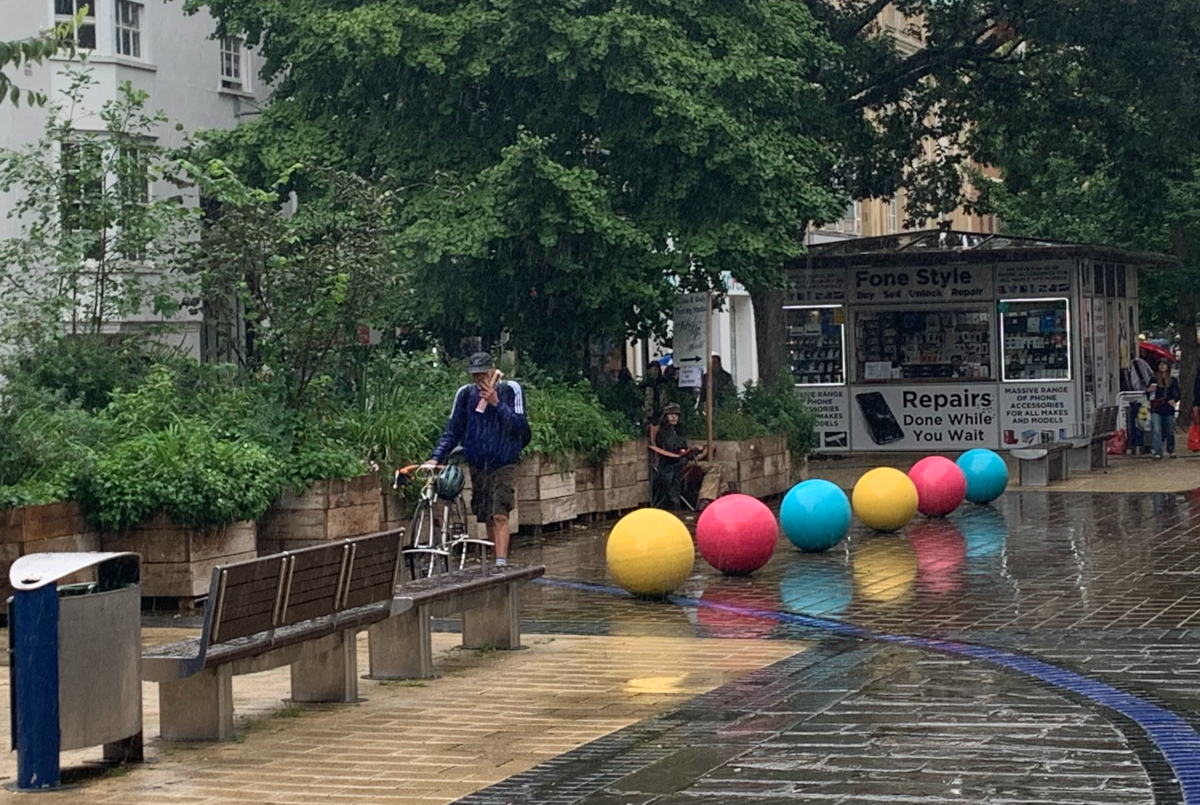
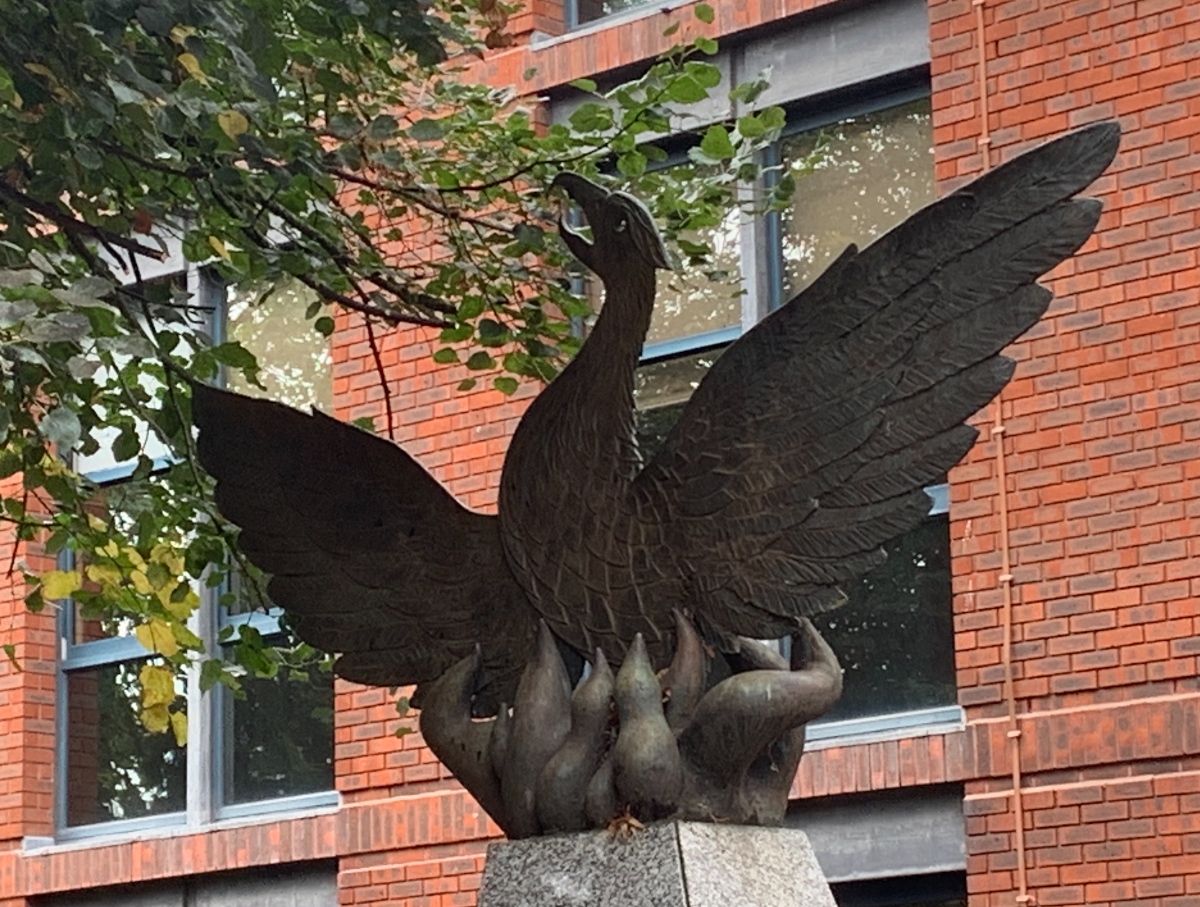
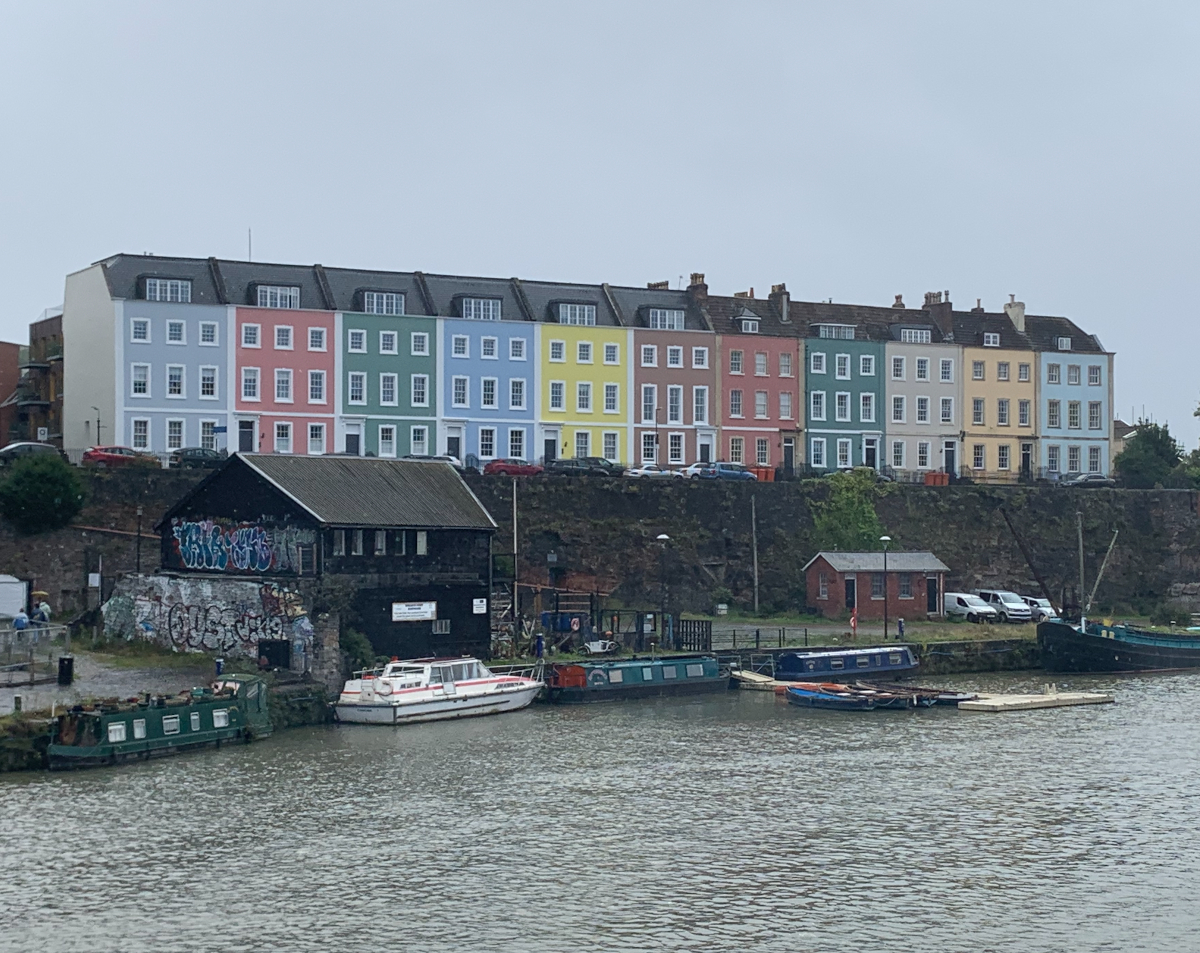
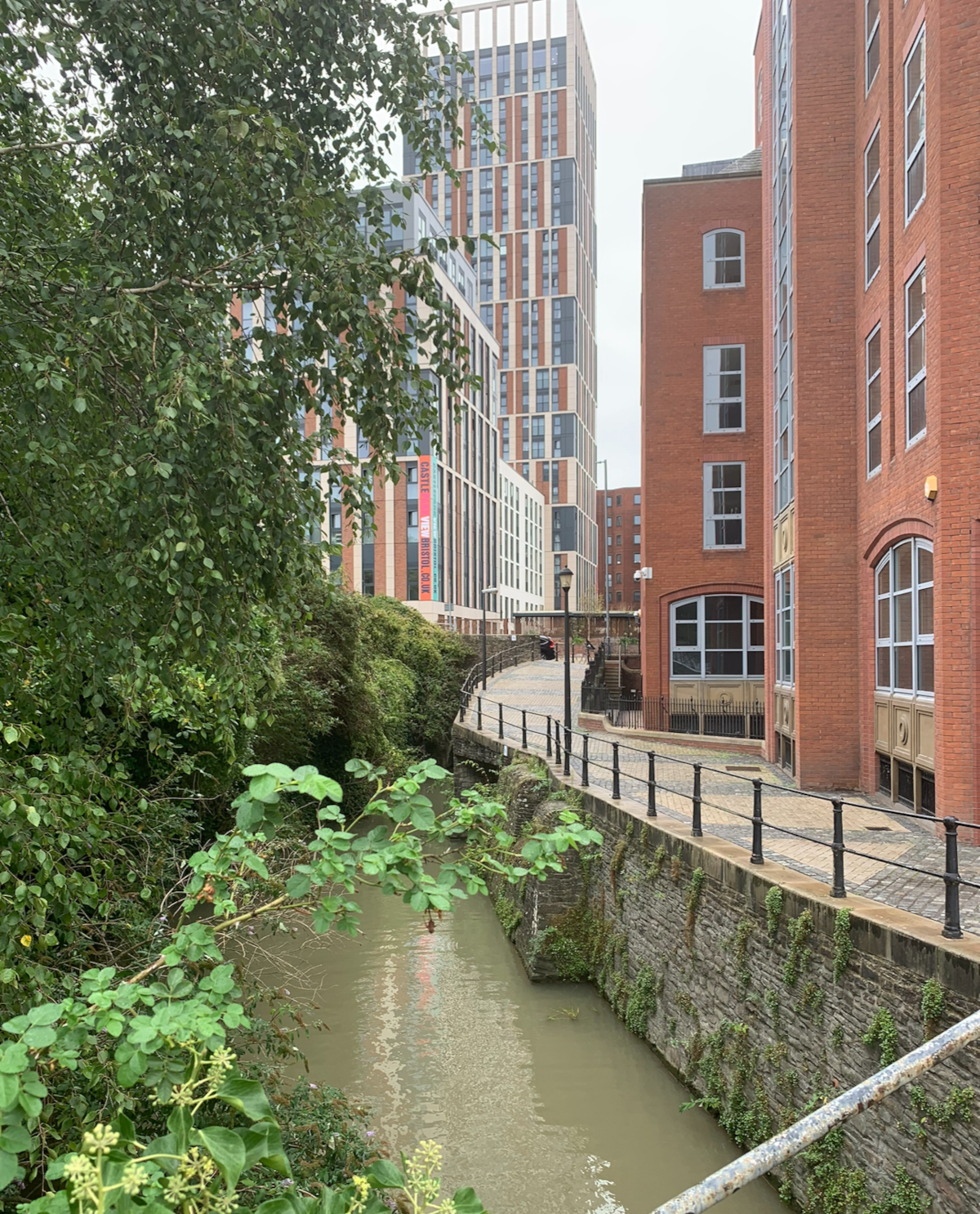
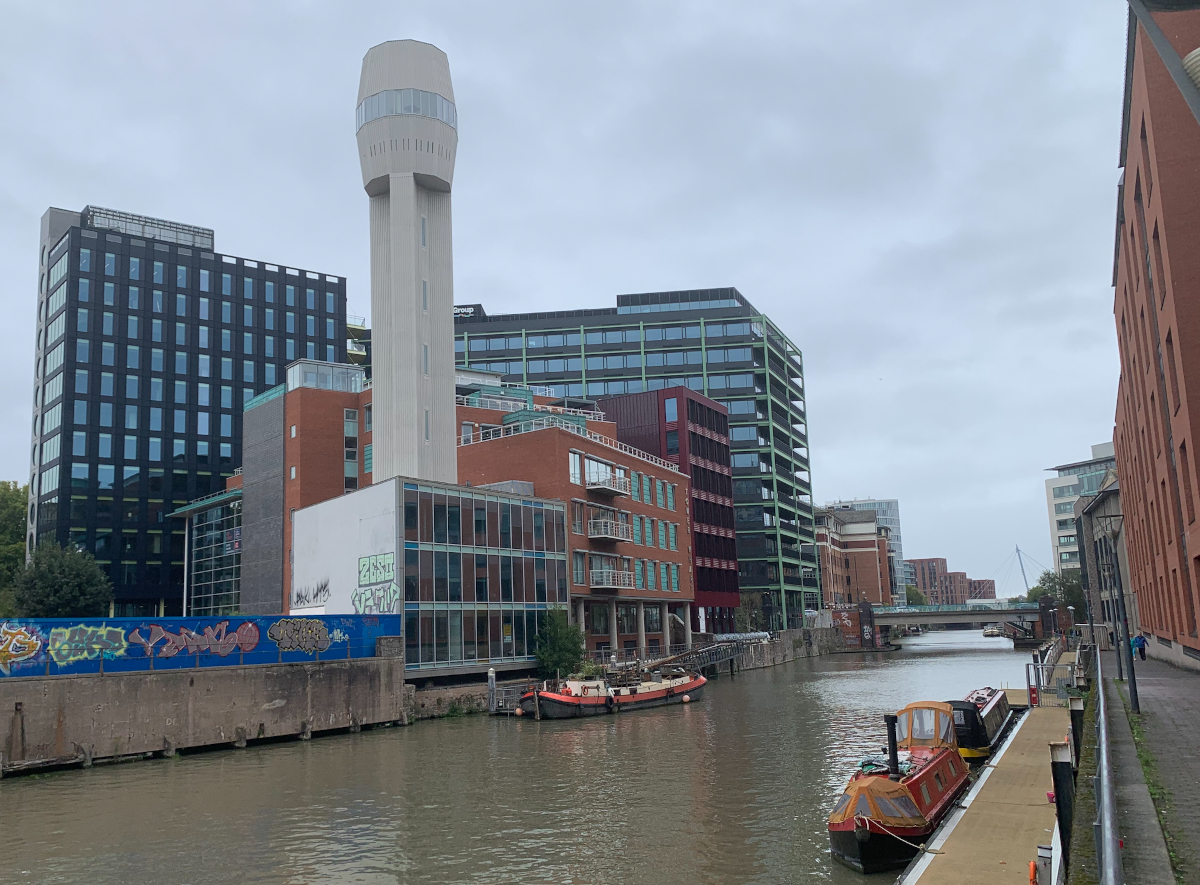
Pictures to be continued - total 4 sets of 10
| Re: Portishead Line reopening for passengers - ongoing discussion In "Campaigns for new and improved services" [379852/231/28] Posted by chuffed at 08:23, 22nd September 2026 | |
New drop dates arranged by Network Rail
New public drop-in session meetings are to be held on:
Wednesday 7 October, 4.30 to 7.30pm, Somerset Hall, Portishead
Wednesday 14 October, 4.30 to 7.30pm, St George's Church Hall, Easton-in-Gordano
There is also a seesion at Portishead Youth and Community Centre this coming Wednesday 24th at 1.30pm
| Re: To 'stockpile food' is now our Government's official policy, apparently In "The West - but NOT trains in the West" [379849/32456/31] Posted by TaplowGreen at 21:56, 21st September 2026 Already liked by JohnM | |
More guidance, from the BBC:
What food items should you stock up on in case of an emergency?
Extreme weather may be changing the way we need to shop.
Earlier this month, the UK government urged people to add a few more long-life products into their food basket - just in case the food supply chain is interrupted.
Environment Secretary Dame Angela Eagle told the Guardian that the powerful natural phenomenon El Niño would lead to "more extreme storms in this country".
Climate change, along with cyber-attacks, disease outbreaks and conflicts can all put a strain on the process that eventually gets food into our shops and homes.
Prof Richard Wilding, an expert in supply chain strategy, tells me not to be "overly worried" as global shipping professionals are adapting all the time but that people should be prepared to buy different products if needed. "Things that were in supermarkets and seen as relatively abundant may all of a sudden be in shortage," he says.
So how easy is it to stock up and what are the things to avoid?
Senior nutrition scientist Dr Sammie Gill, from the British Nutrition Foundation, says you should prioritise certain food groups:
- Complex carbohydrates such as wheat biscuits, wholegrain cereals, crackers and breads, plus oats, rice and pasta
- Proteins such as canned chickpeas, lentils, kidney beans, unsalted nuts, peanut butter and canned oily fish such as tuna, mackerel and sardines
Rebecca McManamon, a consultant dietitian, lists the following essentials:
- Tinned fruit as you can drink its juice for added fluids, vitamins and fibre
- Pickled foods such as vegetables and eggs
Both experts also recommend keeping long-life milk found in the non-refrigerated aisle for protein, calcium and as a source of fluid.
(BBC article continues)
Extreme weather may be changing the way we need to shop.
Earlier this month, the UK government urged people to add a few more long-life products into their food basket - just in case the food supply chain is interrupted.
Environment Secretary Dame Angela Eagle told the Guardian that the powerful natural phenomenon El Niño would lead to "more extreme storms in this country".
Climate change, along with cyber-attacks, disease outbreaks and conflicts can all put a strain on the process that eventually gets food into our shops and homes.
Prof Richard Wilding, an expert in supply chain strategy, tells me not to be "overly worried" as global shipping professionals are adapting all the time but that people should be prepared to buy different products if needed. "Things that were in supermarkets and seen as relatively abundant may all of a sudden be in shortage," he says.
So how easy is it to stock up and what are the things to avoid?
Senior nutrition scientist Dr Sammie Gill, from the British Nutrition Foundation, says you should prioritise certain food groups:
- Complex carbohydrates such as wheat biscuits, wholegrain cereals, crackers and breads, plus oats, rice and pasta
- Proteins such as canned chickpeas, lentils, kidney beans, unsalted nuts, peanut butter and canned oily fish such as tuna, mackerel and sardines
Rebecca McManamon, a consultant dietitian, lists the following essentials:
- Tinned fruit as you can drink its juice for added fluids, vitamins and fibre
- Pickled foods such as vegetables and eggs
Both experts also recommend keeping long-life milk found in the non-refrigerated aisle for protein, calcium and as a source of fluid.
(BBC article continues)
I'm not sure being stuck in a bunker with someone surviving on a diet of pickled eggs would make for a very pleasant environment?
| Re: Does more funding mean countryside buses are coming back into business? In "Buses and other ways to travel" [379848/32525/5] Posted by ChrisB at 20:52, 21st September 2026 Already liked by Ralph Ayres | |
When the BSIP money expires, there will be a lot of minibuses hit the market.....
| Re: To 'stockpile food' is now our Government's official policy, apparently In "The West - but NOT trains in the West" [379847/32456/31] Posted by Chris from Nailsea at 20:32, 21st September 2026 | |
More guidance, from the BBC:
What food items should you stock up on in case of an emergency?
Extreme weather may be changing the way we need to shop.
Earlier this month, the UK government urged people to add a few more long-life products into their food basket - just in case the food supply chain is interrupted.
Environment Secretary Dame Angela Eagle told the Guardian that the powerful natural phenomenon El Niño would lead to "more extreme storms in this country".
Climate change, along with cyber-attacks, disease outbreaks and conflicts can all put a strain on the process that eventually gets food into our shops and homes.
Prof Richard Wilding, an expert in supply chain strategy, tells me not to be "overly worried" as global shipping professionals are adapting all the time but that people should be prepared to buy different products if needed. "Things that were in supermarkets and seen as relatively abundant may all of a sudden be in shortage," he says.
So how easy is it to stock up and what are the things to avoid?
Senior nutrition scientist Dr Sammie Gill, from the British Nutrition Foundation, says you should prioritise certain food groups:
- Complex carbohydrates such as wheat biscuits, wholegrain cereals, crackers and breads, plus oats, rice and pasta
- Proteins such as canned chickpeas, lentils, kidney beans, unsalted nuts, peanut butter and canned oily fish such as tuna, mackerel and sardines
Rebecca McManamon, a consultant dietitian, lists the following essentials:
- Tinned fruit as you can drink its juice for added fluids, vitamins and fibre
- Pickled foods such as vegetables and eggs
Both experts also recommend keeping long-life milk found in the non-refrigerated aisle for protein, calcium and as a source of fluid.
(BBC article continues)
Extreme weather may be changing the way we need to shop.
Earlier this month, the UK government urged people to add a few more long-life products into their food basket - just in case the food supply chain is interrupted.
Environment Secretary Dame Angela Eagle told the Guardian that the powerful natural phenomenon El Niño would lead to "more extreme storms in this country".
Climate change, along with cyber-attacks, disease outbreaks and conflicts can all put a strain on the process that eventually gets food into our shops and homes.
Prof Richard Wilding, an expert in supply chain strategy, tells me not to be "overly worried" as global shipping professionals are adapting all the time but that people should be prepared to buy different products if needed. "Things that were in supermarkets and seen as relatively abundant may all of a sudden be in shortage," he says.
So how easy is it to stock up and what are the things to avoid?
Senior nutrition scientist Dr Sammie Gill, from the British Nutrition Foundation, says you should prioritise certain food groups:
- Complex carbohydrates such as wheat biscuits, wholegrain cereals, crackers and breads, plus oats, rice and pasta
- Proteins such as canned chickpeas, lentils, kidney beans, unsalted nuts, peanut butter and canned oily fish such as tuna, mackerel and sardines
Rebecca McManamon, a consultant dietitian, lists the following essentials:
- Tinned fruit as you can drink its juice for added fluids, vitamins and fibre
- Pickled foods such as vegetables and eggs
Both experts also recommend keeping long-life milk found in the non-refrigerated aisle for protein, calcium and as a source of fluid.
(BBC article continues)
| Re: Oxford station - facilities, improvements, parking, incidents and events - merged posts In "London to Didcot, Oxford and Banbury" [379846/593/9] Posted by Mark A at 19:18, 21st September 2026 | |
A concrete boat that like its predecessor has specific and very clear instructions that no matter what height the local water table achieves, the option of floating is out of the question.
Mark
| Re: Oxford station - facilities, improvements, parking, incidents and events - merged posts In "London to Didcot, Oxford and Banbury" [379844/593/9] Posted by stuving at 18:02, 21st September 2026 Already liked by Mark A | |
An engineering cutaway of the current bridge and associated works would be good to see. That surprise brick invert... in the end was it simply retained... and also, it being a sump, how is the drainage organised now - and where to?
Mark
Mark
There were some useful drawings of the project but they have now gone with the eclipse of the PWI. The inverted arch was a boat*-shaped waterproof masonry structure to keep the Thames out of the road. The "normal" level of the river water is about level with the road in Frideswide Square, but the road surface went lower under the bridge and goes even lower now. So they built a new concrete boat to do the same thing - and really massive it is, too. The surface water drainage system has to bail the water out of this boat, there being no natural route for it to follow into the ground.
*Something like a punt?
| Re: Oxford station - facilities, improvements, parking, incidents and events - merged posts In "London to Didcot, Oxford and Banbury" [379843/593/9] Posted by stuving at 17:47, 21st September 2026 Already liked by Mark A | |
**snip** and the headroom has been increased by six inches. **snip**
Thanks for the photos. 4.4 metres... is 5.2 metres the figure below which a bridge needs to have its height indicated on a roundel?
Mark
7.3.3. All bridges and other structures with a headroom of less than 16’‑6” (5.03 m) should be
clearly signed. The Regulations require heights on new signs to be shown in both imperial and
metric units. Imperial and metric heights should be calculated separately (see 7.4 & 7.5).
7.3.4. The bridge height should be re‑measured when works on the road or to the bridge
might have affected the available headroom. [...]
7.3.5. Care should be taken to ensure that vehicles of the maximum length permitted by
the Construction and Use Regulations will be able to pass safely under the bridge. This is
particularly important where the road dips or hogs sharply or is on a curving alignment under
the bridge. Changes in gradient might affect the headroom, e.g. the effective clearance will
be reduced for a long wheel base vehicle spanning a dip. Where the road passing under a
structure is on a sag curve, the headroom should be measured along the carriageway over a
25 m chord.
7.4 Imperial height
7.4.1. The imperial figure shown on signs to indicate the available headroom should be at least
3 inches less than the measured height to allow a safety margin. If the resulting figure is not a
multiple of 3 inches, it should be rounded down to the nearest lower multiple of 3 inches.
Example 1: measured height 15’‑2”:
Step 1 subtract 3” to create a safety margin 14’‑11”
Step 2 round down to nearest multiple of 3”
Step 3 sign as 14’‑9”.
Example 2: measured height 14’‑6”:
Step 1 subtract 3” to create a safety margin 14’‑3”
Step 2 sign as 14’‑3” (rounding down not required as already a multiple of 3”)
Thus, the maximum headroom that will normally appear on a sign is 16’‑0”.
7.5 Metric height
7.5.1. To obtain the metric figure shown on signs, the bridge height should be measured to two
decimal places, rounding down to the nearest 0.01 m. The following method is then used to
calculate the appropriate signed height:
a) if the second decimal digit is 8 or 9, delete it and sign the bridge with the remaining whole
number and the first decimal digit;
b) Example 1: measured height 4.19 m:
c) Step 1 remove the final 9 (subtract 0.09 m)
d) Step 2 sign as 4.1 m
e) if the second decimal digit is 7 or less, delete it and reduce the first decimal digit by 1. Sign
the bridge with the remaining whole number and first decimal digit, as reduced;
f) Example 2: measured height 4.17 m
g) Step 1 remove the final 7 (subtract 0.07 m)
h) Step 2 reduce first decimal digit by 1 (subtract 0.1 m)
i) Step 3 sign as 4.0 m
7.5.2. The height shown on the sign must be to only one decimal place. The maximum
headroom that will normally appear on a sign is 4.9 m
clearly signed. The Regulations require heights on new signs to be shown in both imperial and
metric units. Imperial and metric heights should be calculated separately (see 7.4 & 7.5).
7.3.4. The bridge height should be re‑measured when works on the road or to the bridge
might have affected the available headroom. [...]
7.3.5. Care should be taken to ensure that vehicles of the maximum length permitted by
the Construction and Use Regulations will be able to pass safely under the bridge. This is
particularly important where the road dips or hogs sharply or is on a curving alignment under
the bridge. Changes in gradient might affect the headroom, e.g. the effective clearance will
be reduced for a long wheel base vehicle spanning a dip. Where the road passing under a
structure is on a sag curve, the headroom should be measured along the carriageway over a
25 m chord.
7.4 Imperial height
7.4.1. The imperial figure shown on signs to indicate the available headroom should be at least
3 inches less than the measured height to allow a safety margin. If the resulting figure is not a
multiple of 3 inches, it should be rounded down to the nearest lower multiple of 3 inches.
Example 1: measured height 15’‑2”:
Step 1 subtract 3” to create a safety margin 14’‑11”
Step 2 round down to nearest multiple of 3”
Step 3 sign as 14’‑9”.
Example 2: measured height 14’‑6”:
Step 1 subtract 3” to create a safety margin 14’‑3”
Step 2 sign as 14’‑3” (rounding down not required as already a multiple of 3”)
Thus, the maximum headroom that will normally appear on a sign is 16’‑0”.
7.5 Metric height
7.5.1. To obtain the metric figure shown on signs, the bridge height should be measured to two
decimal places, rounding down to the nearest 0.01 m. The following method is then used to
calculate the appropriate signed height:
a) if the second decimal digit is 8 or 9, delete it and sign the bridge with the remaining whole
number and the first decimal digit;
b) Example 1: measured height 4.19 m:
c) Step 1 remove the final 9 (subtract 0.09 m)
d) Step 2 sign as 4.1 m
e) if the second decimal digit is 7 or less, delete it and reduce the first decimal digit by 1. Sign
the bridge with the remaining whole number and first decimal digit, as reduced;
f) Example 2: measured height 4.17 m
g) Step 1 remove the final 7 (subtract 0.07 m)
h) Step 2 reduce first decimal digit by 1 (subtract 0.1 m)
i) Step 3 sign as 4.0 m
7.5.2. The height shown on the sign must be to only one decimal place. The maximum
headroom that will normally appear on a sign is 4.9 m
OK, maybe only the first line of that is strictly relevant to the question as posed, but still ...
| Re: Shortage of train crews on Great Western Railway - ongoing discussion In "Across the West" [379842/18719/26] Posted by Chris from Nailsea at 17:16, 21st September 2026 | |
PSPS?
Paddle Steamer Preservation Society - special outing from Southampton on Saturday
https://paddlesteamers.org
That's certainly a step up from a BBQ

(I'll get my coat!)
Final public warning to TG for mentioning BBQ.

Meanwhile, I have added 'PSPS' to our 'abbreviations & acronyms' page.
CfN.
| Re: Oxford station - facilities, improvements, parking, incidents and events - merged posts In "London to Didcot, Oxford and Banbury" [379841/593/9] Posted by ChrisB at 17:12, 21st September 2026 Already liked by IndustryInsider | |
The drainage sump I understand is in the road junction with Cripley Place on the other side of the bridge - country side. The new sewer is in the car park on the left, and a pumping station in the right hand side to move water to the sump on the other side. That's my understanding
| Does more funding mean countryside buses are coming back into business? In "Buses and other ways to travel" [379840/32525/5] Posted by Chris from Nailsea at 16:07, 21st September 2026 | |
From the BBC
Does more funding mean countryside buses are coming back into business?

Wiltshire Connect is a demand responsive service - one of the ways some councils are tackling a lack of transport in rural areas
Council-funded rural buses described as a "lifeline" by some are enjoying a resurgence after years of decline and new laws are giving authorities more power. Does this mean buses are back in business?
Government data shows council support for local buses is rising. With the exception of London, 17% of bus miles travelled across England were supported financially by government.
That's down from almost a quarter in 2010, with bigger drops in rural areas, but it is up from a pre-pandemic low of 13% in 2019-20.
However, fewer of us have been catching the bus. Journeys per person in England stood at 88 in 2010 and that number was down to 63 by 2024-25. Numbers dropped sharply during the pandemic and a recent rise has not returned them to pre-Covid levels.
Figures for 2024-25 show the councils providing the most support to their bus networks tended to be in rural areas.
The charity Bus Users UK described supported bus services as "fundamental to social inclusion" and "a lifeline, not a choice" for many. "Without them, people can become isolated and less able to participate fully in their communities," a spokesperson said.
Wiltshire is one of those rural areas. The council is one of those across the country attempting to tackle this using DRT - demand responsive transport.
(BBC article continues, with more detail and interactive option)
Wiltshire Connect is a demand responsive service - one of the ways some councils are tackling a lack of transport in rural areas
Council-funded rural buses described as a "lifeline" by some are enjoying a resurgence after years of decline and new laws are giving authorities more power. Does this mean buses are back in business?
Government data shows council support for local buses is rising. With the exception of London, 17% of bus miles travelled across England were supported financially by government.
That's down from almost a quarter in 2010, with bigger drops in rural areas, but it is up from a pre-pandemic low of 13% in 2019-20.
However, fewer of us have been catching the bus. Journeys per person in England stood at 88 in 2010 and that number was down to 63 by 2024-25. Numbers dropped sharply during the pandemic and a recent rise has not returned them to pre-Covid levels.
Figures for 2024-25 show the councils providing the most support to their bus networks tended to be in rural areas.
The charity Bus Users UK described supported bus services as "fundamental to social inclusion" and "a lifeline, not a choice" for many. "Without them, people can become isolated and less able to participate fully in their communities," a spokesperson said.
Wiltshire is one of those rural areas. The council is one of those across the country attempting to tackle this using DRT - demand responsive transport.
(BBC article continues, with more detail and interactive option)
| Re: Information at the Station, Melksham. Planning for "shovels in the ground" In "Campaigns for new and improved services" [379839/32519/28] Posted by grahame at 14:56, 21st September 2026 | |
Is it something that has to be said/understood these days, I wonder.
No, volunteers are not connected with or to the railway, so don't have that (insider?) knowledge.
That said, could it come down to a traveller looking for compensation because train connections fell apart during disruption? "The person on the platform told me........"
No, volunteers are not connected with or to the railway, so don't have that (insider?) knowledge.
That said, could it come down to a traveller looking for compensation because train connections fell apart during disruption? "The person on the platform told me........"
Yes, I think it must be said ... and also I'm looking at the other side of the coin that will allow volunteer to offer suggestions without fear of recriminations if they don't know or get it wrong. I'm looking to avoid "I'm just a volunteer" because they / you are far more than "just".
| Re: Unexploded device in Falmouth Docks In "Shorter journeys in Plymouth and Cornwall" [379838/32524/25] Posted by GBM at 14:47, 21st September 2026 Already liked by Geoff DC | |
Fortunately no cruise calls for the next 8 days either!
| Re: Information at the Station, Melksham. Planning for "shovels in the ground" In "Campaigns for new and improved services" [379837/32519/28] Posted by GBM at 14:44, 21st September 2026 | |
Is it something that has to be said/understood these days, I wonder.
No, volunteers are not connected with or to the railway, so don't have that (insider?) knowledge.
That said, could it come down to a traveller looking for compensation because train connections fell apart during disruption? "The person on the platform told me........"
| Re: Information at the Station, Melksham. Planning for "shovels in the ground" In "Campaigns for new and improved services" [379836/32519/28] Posted by grahame at 14:34, 21st September 2026 | |
Hmm. The Limit of Liability is already putting me off before I ask anything else 

Very good thought - it's "just" a title and perhaps could be lost or changed to "How much we can help" with in brackets after the first paragraph "this is our limit of liability"
